






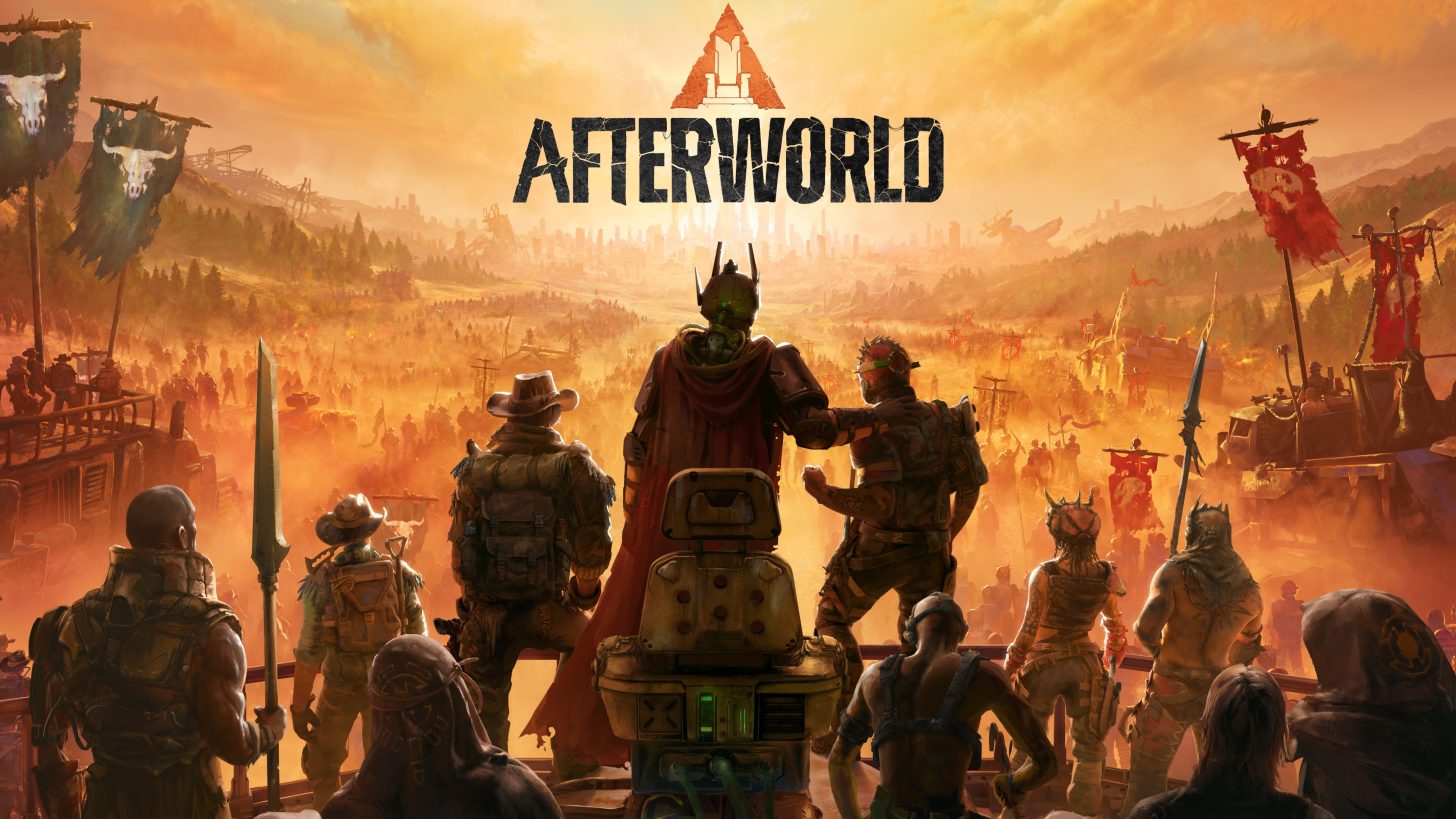
In one of the most anticipated announcements of Gamescom 2025, Paradox Interactive has revealed Afterworld, an ambitious new grand strategy game that marks the Swedish publisher’s first venture into post-apocalyptic territory. Developed by Paradox Development Studio, the game represents an entirely new intellectual property for the company, setting itself apart from their established franchises like Crusader Kings, Europa Universalis, and Hearts of Iron. While no specific release date has been confirmed, the game is being developed for PC, with the studio promising a fresh take on the grand strategy genre that combines survival elements with empire-building mechanics.
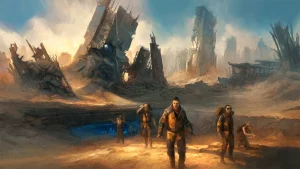
Set in a devastated North America following an unspecified catastrophic event, Afterworld challenges players to navigate a world filled with hazardous terrain, dangerous ruins from the old civilization, and desperate survivors struggling to carve out their existence in this harsh new reality. According to Paradox, players will guide a small group of survivors as they face both strategic challenges and profound moral dilemmas on their journey from mere survival to potentially building a continent-spanning empire. The game appears to blend traditional grand strategy mechanics with themes of exploration, resource scarcity, and the complex social dynamics that would emerge in a post-collapse society.
A New Direction for the Grand Strategy Masters
Paradox Interactive has long been considered the undisputed leader in the grand strategy genre, having cultivated a dedicated fanbase over more than two decades of development. The company’s flagship titles, including Crusader Kings III, Europa Universalis IV, Stellaris, and Victoria 3, have collectively sold millions of copies and established the studio’s reputation for creating deep, complex simulation experiences that can consume hundreds of hours of gameplay. The announcement of Afterworld represents a significant departure from their traditional historical and science fiction settings, venturing into speculative fiction territory that has proven popular in other gaming genres but remains relatively unexplored in grand strategy.
The post-apocalyptic setting has been a staple of video gaming for decades, with franchises like Fallout, Metro, and The Last of Us achieving tremendous commercial and critical success. However, applying the grand strategy framework to this setting is a relatively novel approach. While games like Frostpunk have touched on survival-focused strategy elements, Paradox’s pedigree suggests Afterworld will offer a much broader scope, potentially allowing players to shape the political, cultural, and economic landscape of a recovering civilization over extended periods of time. Industry analysts have noted that this combination could appeal to both existing Paradox fans and newcomers attracted by the popular post-apocalyptic theme.
The Evolution of Paradox’s Game Design Philosophy
The announcement of Afterworld comes at an interesting time for Paradox Interactive. The company has faced both triumphs and challenges in recent years, with Crusader Kings III receiving widespread acclaim upon its 2020 release while other projects have had more troubled development cycles. The studio has been increasingly focused on delivering polished experiences while maintaining the depth and complexity that defines their games. Afterworld appears to represent a calculated risk, leveraging the studio’s expertise in grand strategy while exploring new thematic territory that could attract a broader audience.
Paradox has emphasized that moral choices will play a central role in Afterworld’s gameplay experience. This suggests a continuation of the narrative-driven elements that made Crusader Kings III so compelling, where player decisions had meaningful consequences for characters and dynasties. In a post-apocalyptic context, these moral dilemmas could range from resource allocation decisions that determine who lives and dies, to choices about how to deal with rival factions, whether to preserve or abandon pre-collapse knowledge, and what kind of society players want to build from the ashes. The combination of grand strategy scale with personal moral weight could create a uniquely engaging experience.
Looking Toward the Future of Grand Strategy Gaming
While details about Afterworld’s specific mechanics, release window, and pricing remain scarce, the gaming community has responded with considerable enthusiasm to the announcement. The grand strategy genre has seen steady growth in recent years, with Paradox leading the charge in making these traditionally complex games more accessible to mainstream audiences without sacrificing depth. Afterworld’s post-apocalyptic setting could serve as an effective entry point for new players, offering a more immediately relatable scenario than the historical periods typically featured in Paradox titles. As Gamescom 2025 continues, fans eagerly await additional details about what could become one of the most innovative grand strategy games in years.
Expert Opinion: Paradox’s decision to enter the post-apocalyptic space represents a strategic diversification that could significantly expand their market reach. Given the studio’s track record of supporting games with years of content updates and expansions, Afterworld has the potential to become a long-term franchise if the initial release resonates with players. The key challenge will be balancing accessibility for newcomers with the strategic depth that core Paradox fans expect.