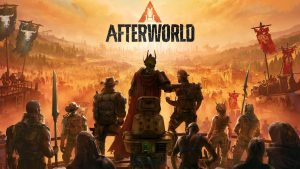







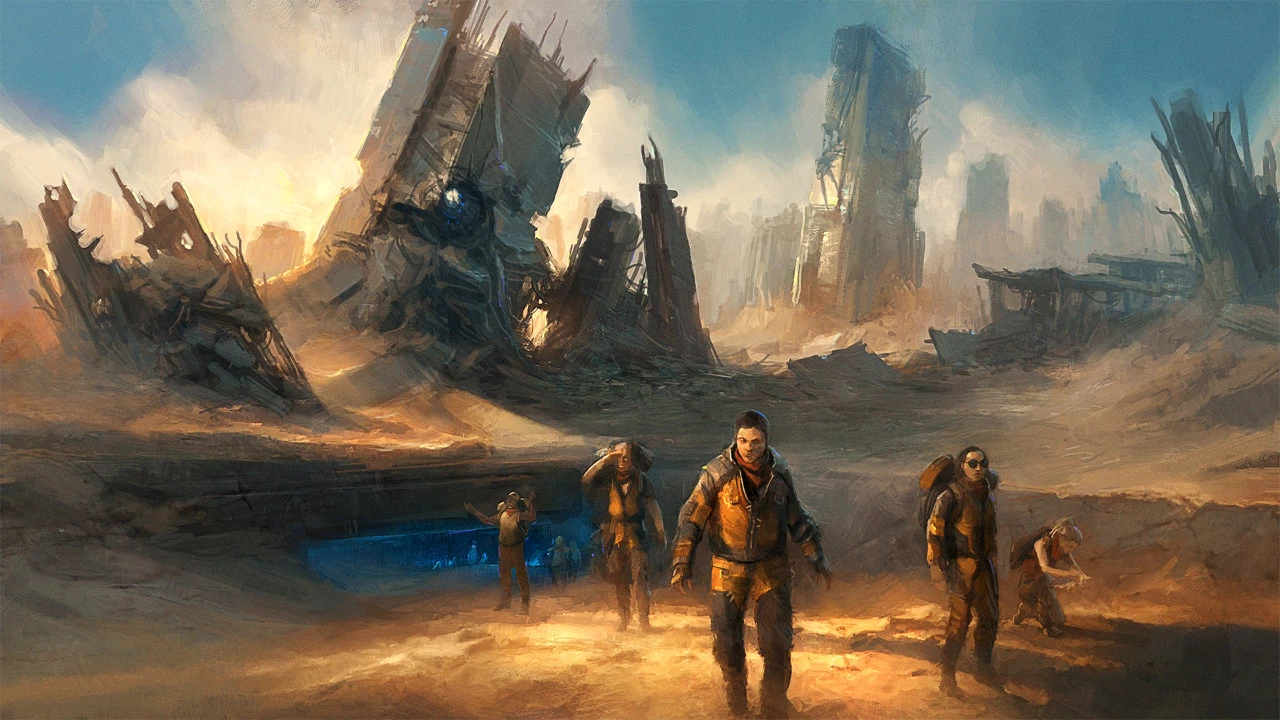
Paradox Interactive, the renowned Swedish publisher and developer known for its deep, complex strategy games, has officially announced Afterworld — a brand new grand strategy title set in a unique post-apocalyptic universe. The game promises to blend the atmospheric elements reminiscent of beloved franchises like Fallout and Mad Max with the studio’s signature large-scale strategic gameplay mechanics that have earned them millions of dedicated fans worldwide. The announcement has already generated significant excitement within the gaming community, as players eagerly anticipate another immersive experience from the masters of grand strategy.
The newly revealed title will feature stunning 4K resolution support, ensuring that the devastated wastelands and rebuilt civilizations will be rendered in breathtaking detail. Importantly for international audiences, Paradox has confirmed that Russian language support will be included at launch, continuing the company’s tradition of making their games accessible to their substantial Eastern European player base. This commitment to localization has been a cornerstone of Paradox’s global success strategy over the years.
Paradox Interactive’s Legacy in Grand Strategy Gaming
Paradox Interactive has built an impressive reputation over the past two decades as the undisputed leader in the grand strategy genre. Founded in 1999 in Stockholm, Sweden, the company has developed and published some of the most critically acclaimed strategy games in history, including the Europa Universalis series, Crusader Kings franchise, Hearts of Iron, Stellaris, and Victoria. Each of these titles has pushed the boundaries of what strategy games can achieve, offering unprecedented depth in political simulation, economic management, military conquest, and diplomatic maneuvering.
The announcement of Afterworld represents a significant departure from Paradox’s traditional historical and science fiction settings. While games like Crusader Kings have explored medieval dynasties and Stellaris has taken players to the stars, a post-apocalyptic setting is relatively unexplored territory for the studio. This fresh approach could attract new audiences while maintaining the complex systems that veteran players have come to expect. Industry analysts suggest that this move demonstrates Paradox’s willingness to innovate while staying true to their core design philosophy.
The Post-Apocalyptic Genre in Video Games
The post-apocalyptic genre has proven to be incredibly popular in video gaming, with titles like the Fallout series, Metro franchise, and Mad Max generating billions of dollars in revenue and cultural impact. These games typically focus on individual survival or small-group dynamics, making Paradox’s grand strategy approach a potentially revolutionary take on the setting. Instead of controlling a single wasteland wanderer, players may find themselves managing entire factions, rebuilding civilizations, and competing for scarce resources across devastated continents.
The combination of Fallout’s retro-futuristic atmosphere and Mad Max’s vehicular chaos with Paradox’s diplomatic and economic systems could create an entirely new gameplay experience. Imagine negotiating trade agreements for clean water, managing radiation-affected populations, or launching military campaigns to secure functioning pre-war technology. The possibilities for emergent storytelling — another Paradox hallmark — seem endless in such a rich thematic environment. Historical strategy elements could potentially include managing the collapse of old-world governments or the rise of new post-apocalyptic nations.
What Players Can Expect from Afterworld
While specific gameplay details remain limited following this initial announcement, Paradox’s track record suggests that Afterworld will feature their characteristic attention to detail and systems depth. Players can likely anticipate complex faction management, resource scarcity mechanics, population dynamics affected by radiation and disease, and the gradual rebuilding of civilization from the ashes of the old world. The studio’s commitment to post-launch support through expansions and free updates also means that Afterworld could evolve significantly over time, as seen with titles like Crusader Kings III and Stellaris.
The gaming community’s response to the announcement has been overwhelmingly positive, with many expressing enthusiasm about seeing Paradox tackle a new genre while maintaining their strategic depth. As more information becomes available in the coming months, including potential release dates and platform availability, anticipation for Afterworld is expected to grow substantially among strategy enthusiasts and post-apocalyptic fiction fans alike.
Expert Opinion: Paradox Interactive’s entry into the post-apocalyptic genre represents a calculated risk that could significantly expand their market reach beyond traditional history enthusiasts. Given their proven ability to create deeply engaging systems and their strong post-launch support model, Afterworld has the potential to become a defining title in both the grand strategy and post-apocalyptic gaming spaces, possibly establishing a new franchise that rivals their historical offerings in popularity and longevity.