






French developer Asobo Studio has been carving out a distinctive niche in the gaming landscape with their A Plague Tale franchise, a series that has garnered critical acclaim and a dedicated fanbase since its inception. The first two entries in the series delivered compelling narratives set against the backdrop of plague-ravaged medieval France, combining stealth gameplay with emotional storytelling. While both games received solid reviews and generated enough commercial success to justify continued development, the franchise has yet to achieve that elusive mainstream breakthrough moment that would elevate it to household name status among gaming enthusiasts.
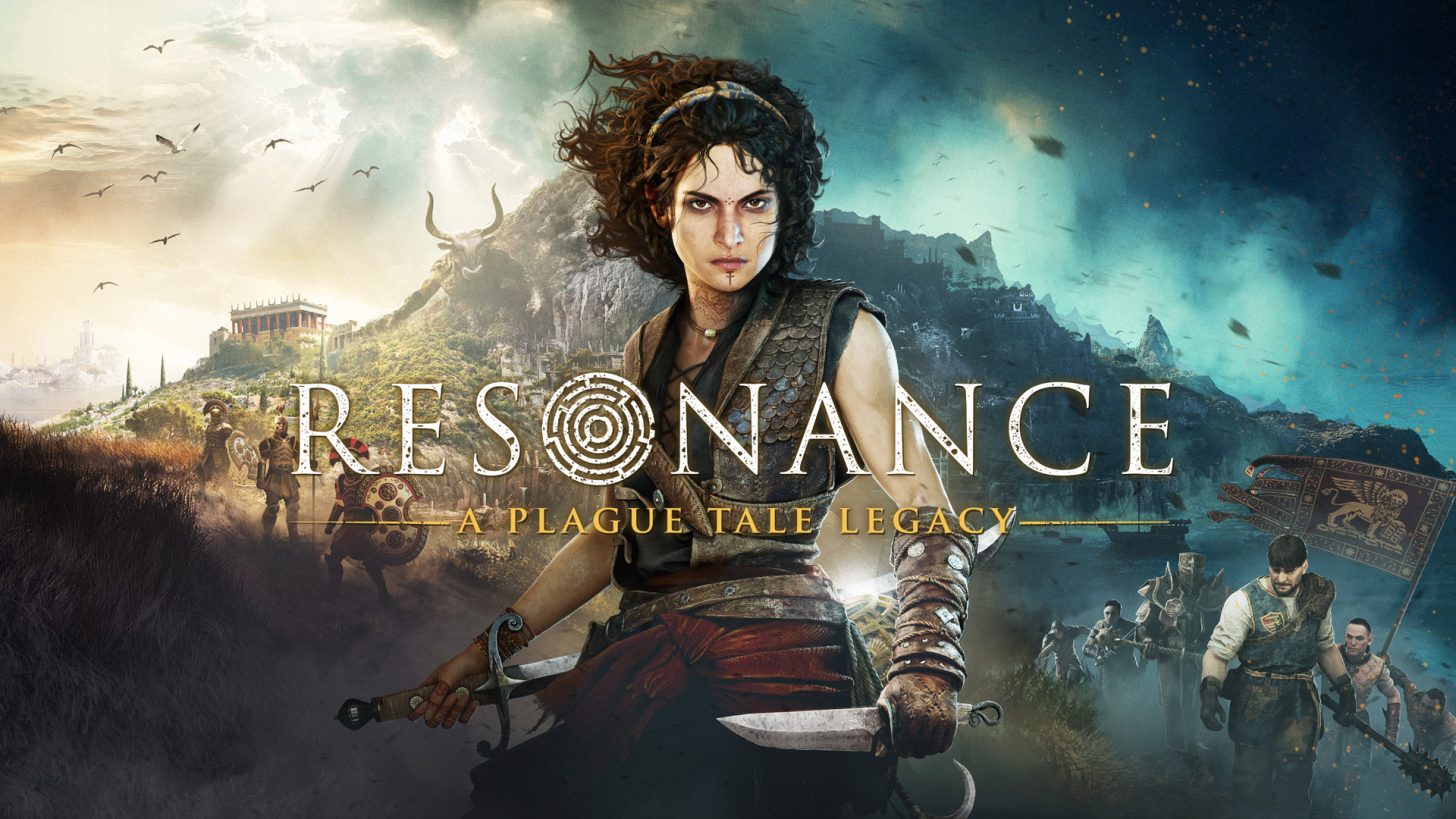
This context perhaps explains the bold creative decisions behind Resonance: A Plague Tale Legacy, the newest installment that represents a significant departure from the established formula. Rather than continuing the story of Amicia and Hugo de Rune, Asobo Studio has opted for a fresh start with a new protagonist, a prequel storyline that explores the origins of the mysterious rat plague, and a dramatically increased emphasis on melee combat. These changes signal the developer’s ambition to expand their audience while potentially alienating fans who fell in love with the original games’ more measured, stealth-focused approach.
A New Direction for the Franchise
The shift toward action-adventure gameplay reminiscent of the Uncharted series represents both an opportunity and a risk for Asobo Studio. The original A Plague Tale: Innocence, released in 2019, distinguished itself through its unique blend of stealth mechanics, puzzle-solving, and the terrifying spectacle of thousands of rats rendered on screen simultaneously. The sequel, A Plague Tale: Requiem, expanded on these foundations with larger environments and more refined gameplay systems. Both titles earned praise for their atmospheric world-building, strong voice acting, and the emotionally resonant relationship between siblings Amicia and Hugo.
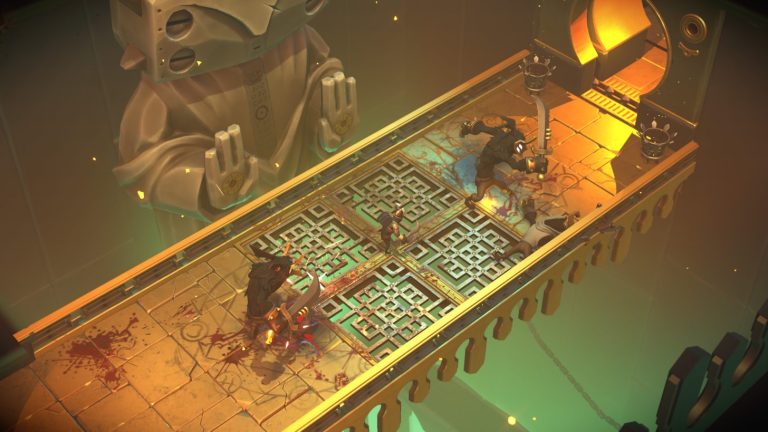
By pivoting toward more direct combat engagement, Resonance attempts to broaden the series’ appeal to players who prefer action-oriented experiences. The Uncharted comparison is apt, as the game incorporates cinematic set pieces, traversal sequences, and a greater variety of combat encounters. However, this transition has not been entirely smooth. Industry analysts have long noted that melee combat systems require exceptional polish to feel satisfying, and this appears to be an area where Resonance struggles to deliver consistently compelling gameplay.
Combat Systems Under Scrutiny
The combat mechanics in Resonance represent perhaps the most significant point of contention among reviewers and players alike. While the game successfully implements many elements of the action-adventure formula, the melee combat system lacks the precision and responsiveness that genre veterans have come to expect. The timing windows for parries and counters can feel inconsistent, and enemy attack patterns sometimes lack the clarity needed for players to respond appropriately. These issues become particularly pronounced during more challenging encounters, where the combat system’s limitations can transform manageable difficulties into frustrating roadblocks.
Asobo Studio’s previous experience lies primarily in atmospheric adventure games and flight simulation with Microsoft Flight Simulator, rather than combat-focused action titles. This background may partially explain the growing pains evident in Resonance’s fighting mechanics. Creating a combat system that feels both weighty and responsive requires extensive iteration and testing, and the studio’s relative inexperience in this specific domain shows through in the final product. Nevertheless, the combat remains functional and even enjoyable in less demanding scenarios, suggesting that future installments could refine these systems to better match the studio’s evident ambitions.
Narrative Strengths and World-Building
Where Resonance continues to excel is in its storytelling and atmospheric presentation. The prequel setting allows Asobo Studio to explore the mysterious origins of the rat plague that defined the previous games, providing narrative context that enriches the entire franchise. The new protagonist brings fresh perspectives to the established lore while maintaining the series’ signature tone of desperate survival against overwhelming supernatural forces. The voice acting maintains the high standards set by previous entries, and the motion capture work brings emotional authenticity to key dramatic moments.
The visual presentation remains stunning, with Asobo’s proprietary engine delivering impressive lighting effects, detailed character models, and the series’ trademark spectacle of swarming rats rendered in terrifying numbers. The game’s artistic direction successfully evokes the oppressive atmosphere of medieval Europe under the shadow of plague, creating environments that feel both historically grounded and fantastically ominous. These production values help compensate for gameplay inconsistencies, ensuring that players remain engaged even when combat encounters prove frustrating.
Final Verdict and Future Prospects
Resonance: A Plague Tale Legacy ultimately delivers a mixed but worthwhile experience for fans of action-adventure gaming. The ambitious pivot toward Uncharted-style gameplay yields genuine successes in pacing, presentation, and narrative scope, while the problematic combat mechanics prevent the game from achieving greatness. For dedicated A Plague Tale enthusiasts, the expanded lore and prequel storyline provide compelling reasons to engage with this new chapter despite its shortcomings. Newcomers to the franchise may find the combat frustrations more difficult to overlook, particularly given the abundance of polished alternatives in the action-adventure genre.
Asobo Studio deserves credit for taking creative risks rather than simply iterating on established formulas. The gaming industry benefits from developers willing to evolve their franchises, even when those experiments produce imperfect results. With continued refinement of their combat systems and the evident strength of their storytelling capabilities, the A Plague Tale franchise still possesses significant potential for that breakthrough moment the studio has been pursuing.
Expert Opinion: Resonance represents a critical inflection point for the A Plague Tale franchise, demonstrating both Asobo Studio’s ambition and the challenges inherent in genre evolution. If the studio can address combat responsiveness in future patches or sequels while maintaining their narrative excellence, they could finally achieve the mainstream recognition that has eluded them. The foundation laid here suggests that the next entry could potentially deliver the refined action-adventure experience this installment aspires to be.