






In an unprecedented display of solidarity across the gaming industry, Xbox game developers organized coordinated “Save Our Devs” rallies across nine cities in the United States and Canada on August 18, 2025. The demonstrations, organized by the OneBGS union representing Bethesda Game Studios workers alongside the Communications Workers of America (CWA), represent a direct response to the devastating wave of layoffs that has swept through Microsoft’s gaming division over the past year. For many veteran developers, these cuts have shattered what was once considered a stable career path in an industry known for its volatility.
The protests carry particular emotional weight for long-time Bethesda employees, with one artist speaking publicly about how Microsoft’s acquisition fundamentally changed the studio’s culture. According to the developer, Bethesda once operated under an informal no-layoff policy that allowed employees to envision entire careers at the company, with many dreaming of retiring from the studio that brought the world iconic franchises like The Elder Scrolls and Fallout. That era of stability has been replaced by what workers describe as an atmosphere of perpetual anxiety, where annual job cuts have become an expected reality rather than an exceptional crisis.
The Scale of Microsoft’s Gaming Layoffs
The rallies directly respond to Microsoft’s announcement of approximately 3,200 planned Xbox job cuts, representing one of the largest workforce reductions in gaming industry history. The first phase of these cuts has already eliminated 1,600 positions across various Xbox Game Studios properties, with the remaining layoffs expected to be implemented before the middle of 2027. CWA-represented Xbox workers now total nearly 500 employees, making this one of the largest unionized workforces in the American gaming industry. The union has been actively fighting to protect its members and secure better severance packages and job placement assistance for affected workers.
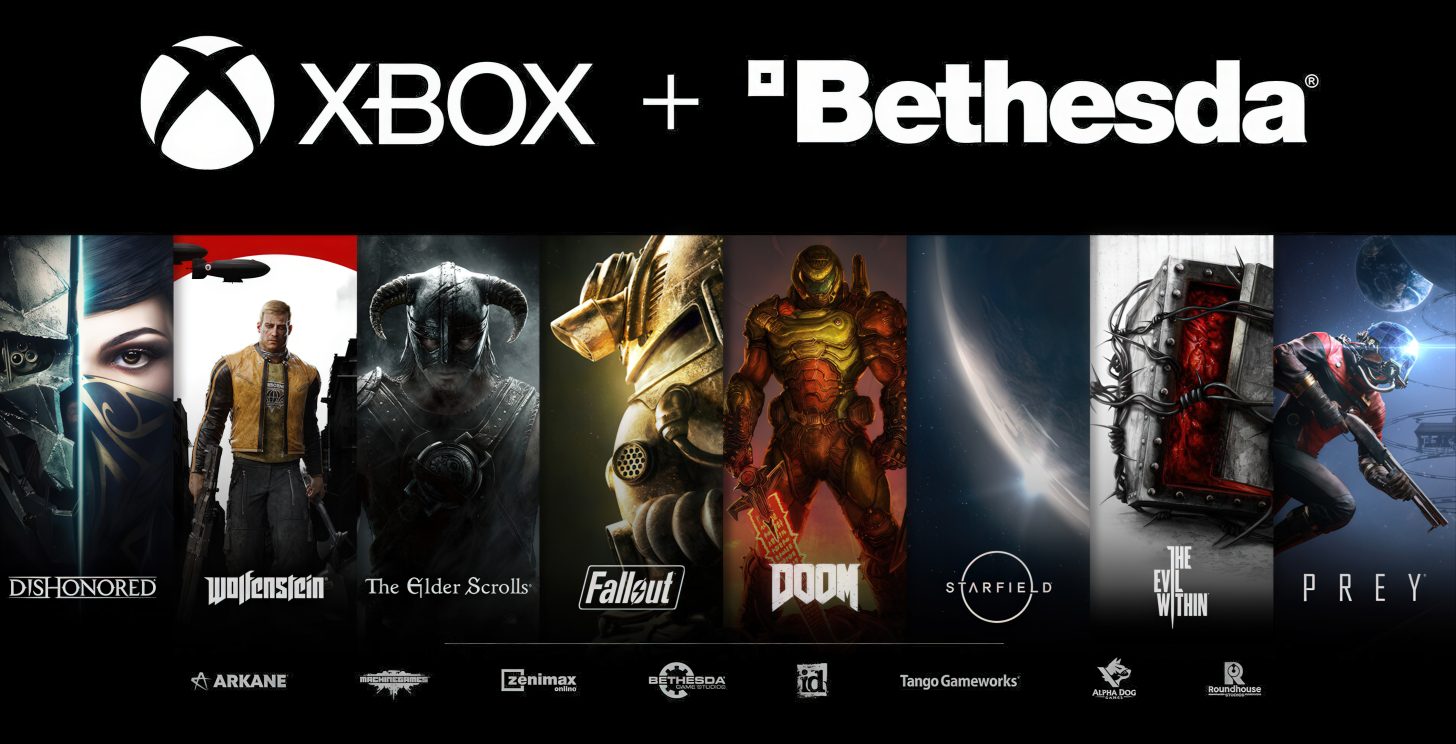
These layoffs come after Microsoft’s historic $69 billion acquisition of Activision Blizzard in 2023, which made it one of the largest gaming companies in the world. However, rather than the expansion and opportunity many employees anticipated, the merger has been followed by wave after wave of workforce reductions. In January 2024, Microsoft laid off approximately 1,900 gaming employees, and the cuts have continued throughout 2024 and into 2025. Studios like Arkane Austin, the developer behind Redfall, and Tango Gameworks, creators of the critically acclaimed Hi-Fi Rush, were shut down entirely, sending shockwaves through the industry.
The End of Job Security at Legacy Studios
For employees at legacy studios like Bethesda Game Studios, the transition from independent operation to Microsoft subsidiary has been particularly jarring. Bethesda’s parent company, ZeniMax Media, was acquired by Microsoft in 2021 for $7.5 billion, bringing beloved franchises and talented development teams under the Xbox umbrella. At the time, many employees viewed the acquisition optimistically, believing that Microsoft’s vast resources would provide greater stability and opportunities for ambitious projects. Instead, the corporate consolidation has brought the same cost-cutting measures that have affected workers across Microsoft’s gaming portfolio.
The gaming industry has historically been plagued by job instability, with developers facing frequent layoffs, studio closures, and the notorious practice of “crunch” leading to burnout. However, certain studios had built reputations as exceptions to this rule, offering stable employment and fostering loyalty among their workforce. Bethesda was considered one such haven, where talented artists, programmers, and designers could build decades-long careers working on passion projects. The current situation represents not just job losses but the dissolution of a workplace culture that took years to establish.
Industry-Wide Crisis and Worker Organization
The Xbox layoffs are part of a broader crisis affecting the entire gaming industry, with an estimated 25,000 to 30,000 gaming jobs lost globally since 2023. Major publishers including Electronic Arts, Sony, Ubisoft, and Epic Games have all announced significant workforce reductions despite record revenues and successful game launches. This disconnect between corporate profitability and worker security has accelerated unionization efforts across the industry, with the CWA leading organizing campaigns at multiple studios. The OneBGS union at Bethesda represents a growing movement of game developers demanding better treatment and job protections in an increasingly precarious industry.
As the rallies concluded across cities including Los Angeles, Seattle, Austin, and Montreal, workers expressed determination to continue fighting for their colleagues and the future of game development. Union representatives have called on Microsoft to halt the remaining planned layoffs and engage in meaningful negotiations about workforce stability. Whether these protests will influence Microsoft’s corporate strategy remains uncertain, but they have undeniably brought national attention to the human cost of consolidation in the gaming industry, transforming what executives present as necessary business decisions into a public debate about worker rights and corporate responsibility.
Expert Opinion: The gaming industry is reaching a critical inflection point where the traditional model of treating developers as disposable resources is being directly challenged by organized labor. Microsoft’s handling of its post-acquisition workforce will likely set precedents for how future gaming mega-mergers are conducted, and the success or failure of these unionization efforts could determine whether game development becomes a sustainable career or remains a volatile gig economy with AAA production values.