






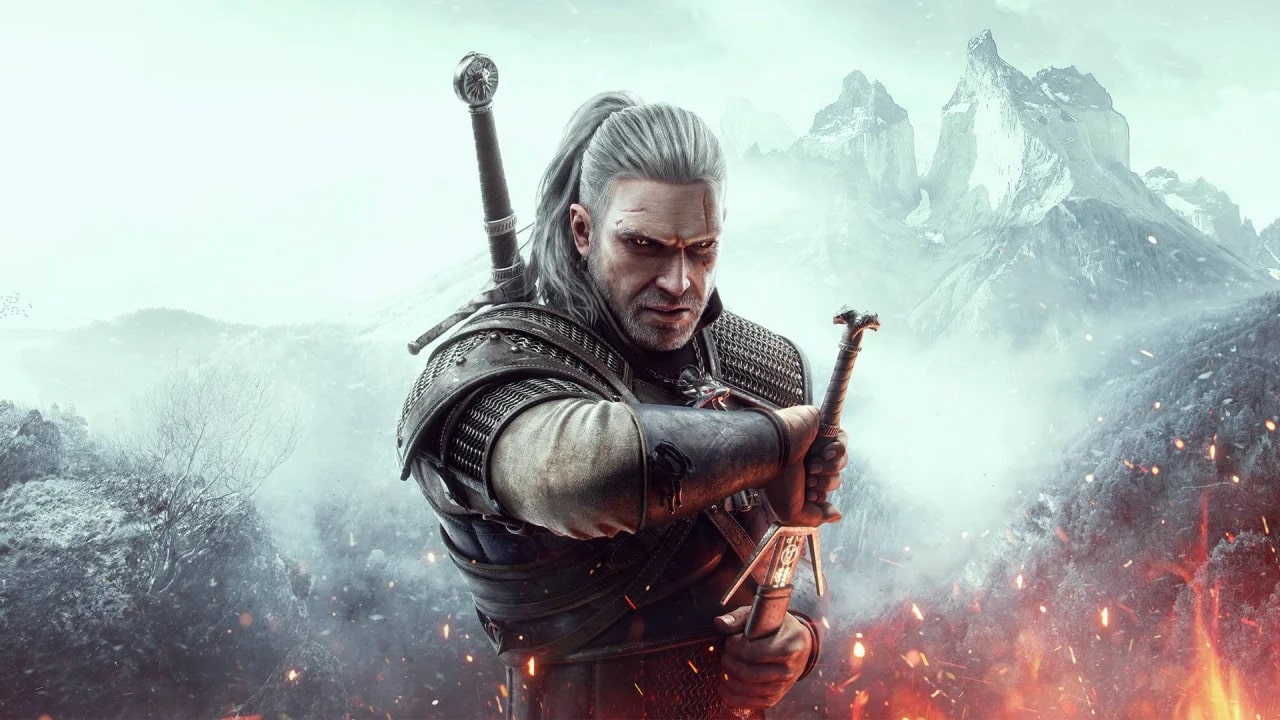
The Witcher 3: Wild Hunt, widely regarded as one of the greatest role-playing games ever made, was developed under circumstances that few players fully appreciate. By the admission of its own developers since its 2015 release, The Witcher 3 was a AAA game created with the team size and budget of a AA project. Despite achieving masterpiece status and profoundly influencing the RPG genre for years to come, the final chapter in Geralt of Rivia’s trilogy required enormous sacrifices and compromises to reach the beloved result players experienced. Now, more than a decade after its release, Philip Weber, a quest designer on the game, has revealed that a fear mechanic—perfectly suited to the dark universe created by Polish author Andrzej Sapkowski—was among the features sacrificed to complete the project on time.
The Ambitious Vision for NPC Realism
When The Witcher 3 launched in 2015, its open world was already remarkably convincing for its era. Non-player characters in cities and villages displayed a semblance of authentic daily life, going about their routines, working their trades, and reacting to the world around them. However, CD Projekt RED’s original vision extended far beyond what players ultimately experienced. The development team wanted to push the feeling of realism even further by implementing a sophisticated fear reaction system that would have NPCs respond dynamically to player actions with visible terror and altered behavior patterns.
“We focused more on simulating their actual day-night cycle. As for the reaction to the player, there wasn’t a huge amount of detail,” Philip Weber explained in a recent interview with Edge Magazine. The foundation was solid—NPCs would wake up, work, eat, and sleep according to the time of day. But the team wanted more. They envisioned a world where the inhabitants would genuinely react to Geralt’s presence and actions, particularly when those actions were violent or threatening. This ambition, while noble, would prove to be the source of unexpected and darkly humorous problems.
When Babies Became Casualties of Game Development
The implementation of fear reactions seemed straightforward in theory. NPCs would recognize dangerous situations, drop whatever they were doing, and flee in terror. This would add another layer of immersion to the already atmospheric world, making Geralt’s impact on communities feel more tangible and realistic. However, the developers quickly discovered that game development rarely goes according to plan, especially when dealing with complex AI systems and the countless edge cases they create.
“Our NPCs were supposed to have fear reactions. They were meant to drop whatever they were working on and run away, frightened. The problem is that one of the ‘tasks’ that mothers could perform in The Witcher 3 was holding a baby in their arms. For a few weeks, women were simply dropping their babies everywhere. It really came back to haunt us,” Weber revealed with an anecdote that is equal parts amusing and morbid. The mental image of terrified mothers abandoning their infants on cobblestone streets across the Continent proved to be an insurmountable problem for the team. Unable to find a satisfactory solution that would prevent this disturbing behavior while maintaining the fear system, the developers made the difficult decision to cut the feature entirely from the final game.
The Reality of AAA Game Development Under Constraints
This revelation provides fascinating insight into the broader challenges faced during The Witcher 3’s development. CD Projekt RED, which had grown from a small Polish studio distributing games to becoming an international developer, was still punching well above its weight class with this project. The scope of The Witcher 3 was unprecedented for the studio—a massive open world spanning multiple regions, hundreds of hours of content, and thousands of NPCs, all running on a proprietary engine that was being refined alongside the game itself. Every feature had to justify its development time and potential for bugs against the finite resources available.
The fear mechanic incident exemplifies a common phenomenon in game development known as “scope creep” and its necessary counterpart, “scope cutting.” Features that seem simple on paper—such as “make NPCs run away when scared”—often reveal unexpected complexity when implemented in a living, interconnected game world. The decision to cut such features, while disappointing for developers who invested time and passion into them, is often what separates shipped games from development hell. The Witcher 3’s success is, in many ways, a testament to CD Projekt RED’s ability to recognize when to cut their losses and focus on what they could polish to perfection.
A Second Chance with Songs of the Past
More than a decade after its initial release, The Witcher 3 continues to capture players’ imaginations, and soon it will receive unprecedented new content. A third expansion, titled Songs of the Past, is scheduled for 2027, following in the footsteps of the acclaimed Hearts of Stone and the exceptional Blood and Wine expansion set in the wine-growing region of Toussaint. This new DLC will allow players to once again embody Geralt of Rivia in an original adventure while they await The Witcher 4, which will focus on a new protagonist in the witcher universe.
The announcement of Songs of the Past has sparked speculation among fans about what features might make their way into this late-stage expansion. With over a decade of additional experience and technological advancement, it’s entirely possible that CD Projekt RED has revisited some of the abandoned elements from the base game’s development. The fear mechanic, and other cut features, could potentially find new life in this DLC, finally realizing visions that were impossible to achieve under the original time and resource constraints. The studio has confirmed that The Witcher 3: Songs of the Past will be present at Gamescom 2026, where fans should finally learn more details about the expansion and potentially see gameplay footage that might reveal whether any long-abandoned ideas have been resurrected for this final chapter in The Witcher 3’s ongoing legacy.
Expert Opinion: The revelation about The Witcher 3’s abandoned fear mechanic underscores a critical truth about game development: ambition must always be balanced against practical constraints, and sometimes the best games are defined as much by what was cut as what remained. With Songs of the Past arriving in 2027, CD Projekt RED has a unique opportunity to implement refined versions of these abandoned systems, particularly given advances in AI behavior modeling over the past decade. This expansion could serve as both a farewell to Geralt and a testing ground for systems that may appear in The Witcher 4.