





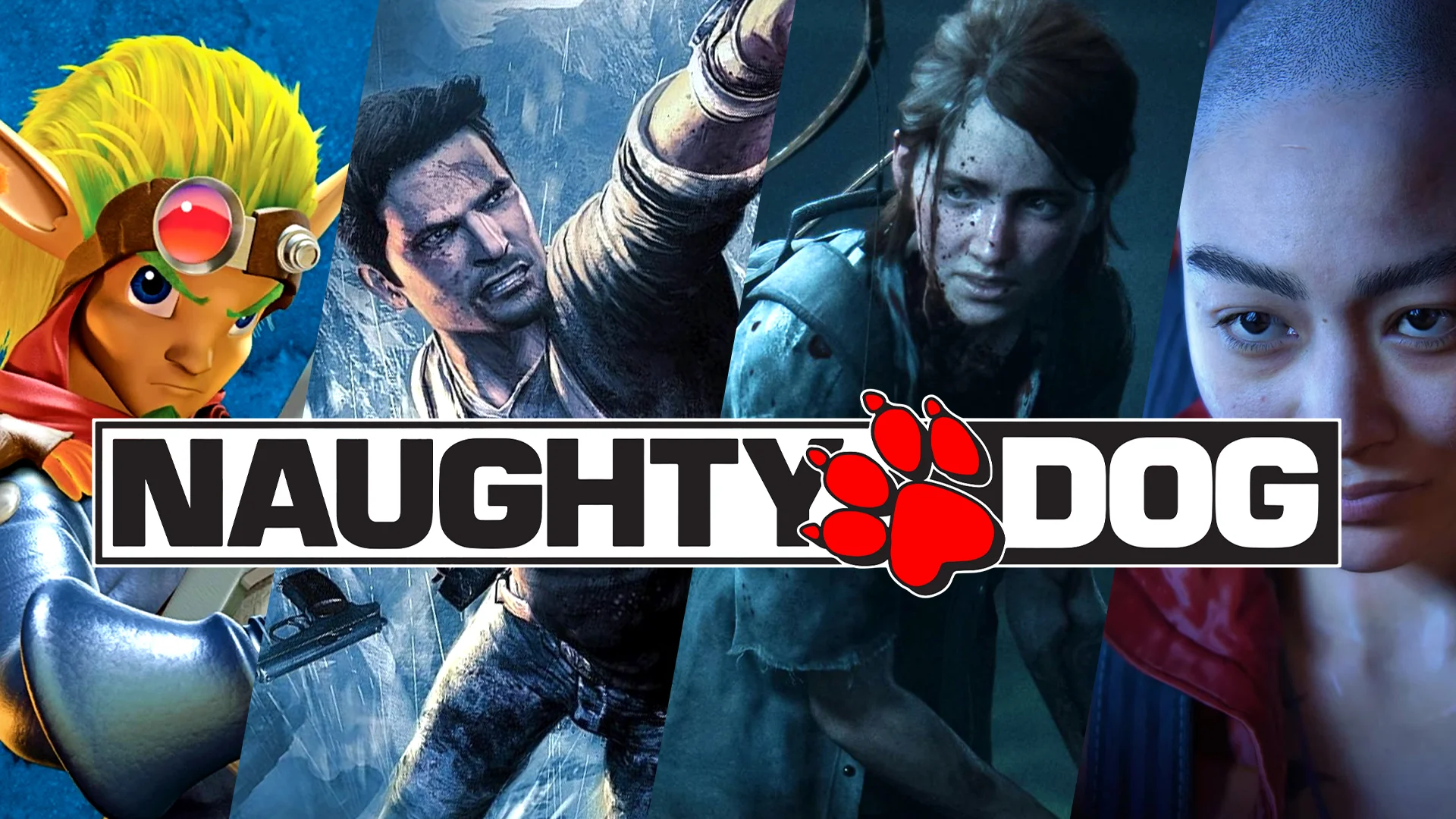
In a revealing expose that has sent shockwaves through the gaming community, prominent Bloomberg journalist Jason Schreier has finally shed light on why legendary PlayStation studio Naughty Dog has been silent for nearly six years since releasing The Last of Us Part 2 in 2020. The acclaimed developer, responsible for some of gaming’s most celebrated franchises, has been conspicuously absent from releasing any new titles, and the reason behind this extended hiatus paints a troubling picture of Sony’s controversial live-service gaming strategy and its impact on even its most prestigious first-party studios.
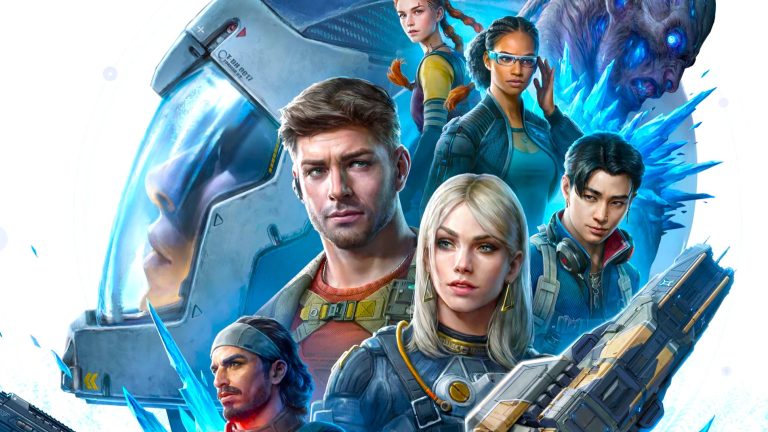
The revelation comes alongside Schreier’s recent report on the troubled development of Horizon Hunters Gathering, another PlayStation first-party project that has experienced significant turbulence. Together, these reports suggest a pattern of disruption across Sony’s development ecosystem that could have serious implications for the upcoming PlayStation 6 console generation. Industry analysts are now questioning whether Sony’s aggressive push into the live-service market has done more harm than good to its reputation for delivering premium single-player experiences.
The Misconception About Naughty Dog’s Workforce Allocation
In December 2024, Naughty Dog made headlines by announcing Intergalactic: The Heretic Prophet, marking the studio’s first original intellectual property since The Last of Us debuted in 2013. However, Schreier’s investigation reveals a crucial misconception about the studio’s operations during the years following The Last of Us Part 2. Contrary to popular belief that The Last of Us Online was merely a side project while the bulk of the team focused on new ventures, the reality was precisely the opposite. According to Schreier, the vast majority of Naughty Dog’s talented workforce was dedicated to developing the ill-fated multiplayer spin-off, leaving minimal resources for other creative endeavors.
“I think there’s a misconception that The Last of Us Online was just a side project while most of Naughty Dog was working on Intergalactic. In reality, it’s the complete opposite,” Schreier stated in his recent YouTube video analyzing PlayStation’s live-service failures. He elaborated that Intergalactic only became the studio’s primary focus after The Last of Us Online was officially cancelled, at which point team members finally transitioned to the new project. This revelation explains why a studio known for its relatively efficient development cycles suddenly appeared to go dormant for the better part of a decade.
The Costly Aftermath of PlayStation’s Live-Service Obsession
The financial and creative toll of Sony’s live-service strategy has been staggering. The cancelled The Last of Us Factions project reportedly consumed “hundreds of millions of dollars” in development costs before being shelved, representing one of the most expensive cancellations in PlayStation history. Beyond the monetary losses, the human cost includes years of creative energy from some of the industry’s most talented developers channeled into a project that would never see the light of day. Additionally, much of Naughty Dog’s remaining capacity during this period was devoted to remasters and remakes throughout the 2020s, further delaying any fresh creative output.
Naughty Dog’s predicament is not an isolated incident within Sony’s first-party stable. Guerrilla Games, the studio behind the critically acclaimed Horizon franchise, recently faced similar challenges with Horizon Hunters Gathering. The project required a complete reboot following negative internal feedback, suggesting that the live-service formula Sony has been pursuing may be fundamentally incompatible with the development philosophies that made these studios successful in the first place. The pattern raises serious questions about corporate decision-making and whether financial objectives have overshadowed creative vision at PlayStation Studios.
Implications for the PlayStation 6 Launch
Perhaps most concerning for PlayStation’s future is the potential impact on the PlayStation 6 launch, currently projected for sometime in 2028. With Intergalactic: The Heretic Prophet potentially not releasing until the next console generation, Naughty Dog will have gone approximately eight years without shipping a new original game. This extended development timeline raises alarm bells about launch title availability for Sony’s next-generation hardware. Historically, console launches benefit enormously from flagship first-party titles, and the ripple effects of the live-service pivot may leave Sony scrambling to populate the PS6’s early library with compelling exclusive content.
The situation is further complicated by ongoing global supply chain challenges, particularly what some in the industry have dubbed the “RAMpocalypse” – a continuing crisis affecting memory chip availability and pricing. These factors could potentially delay the PS6’s release or force Sony to make difficult decisions about hardware specifications and pricing. Combined with the development setbacks at its premier studios, PlayStation faces a challenging road ahead as it prepares for its next generational leap. Industry watchers note that Microsoft’s Xbox division has faced similar struggles with its own first-party output, suggesting the entire AAA gaming industry may be reaching an inflection point regarding sustainable development practices.
The gaming community now watches with cautious optimism as Naughty Dog continues development on Intergalactic: The Heretic Prophet. The studio’s track record of delivering masterfully crafted experiences provides hope, but the shadow of years lost to a cancelled project and the pressure to deliver a hit large enough to justify nearly a decade of apparent silence looms large. Whether the legendary studio can recapture its former glory while navigating the aftermath of corporate strategic missteps remains to be seen.
Expert Opinion: The Naughty Dog situation exemplifies a broader industry trend where major publishers’ pursuit of recurring revenue through live-service games has paradoxically damaged their most valuable assets—their creative studios. As the PlayStation 6 era approaches, Sony must reckon with the reality that its aggressive diversification strategy has potentially weakened its competitive position at the worst possible time. The coming years will likely see a strategic recalibration toward hybrid approaches that preserve studio expertise while exploring new revenue models more cautiously.