






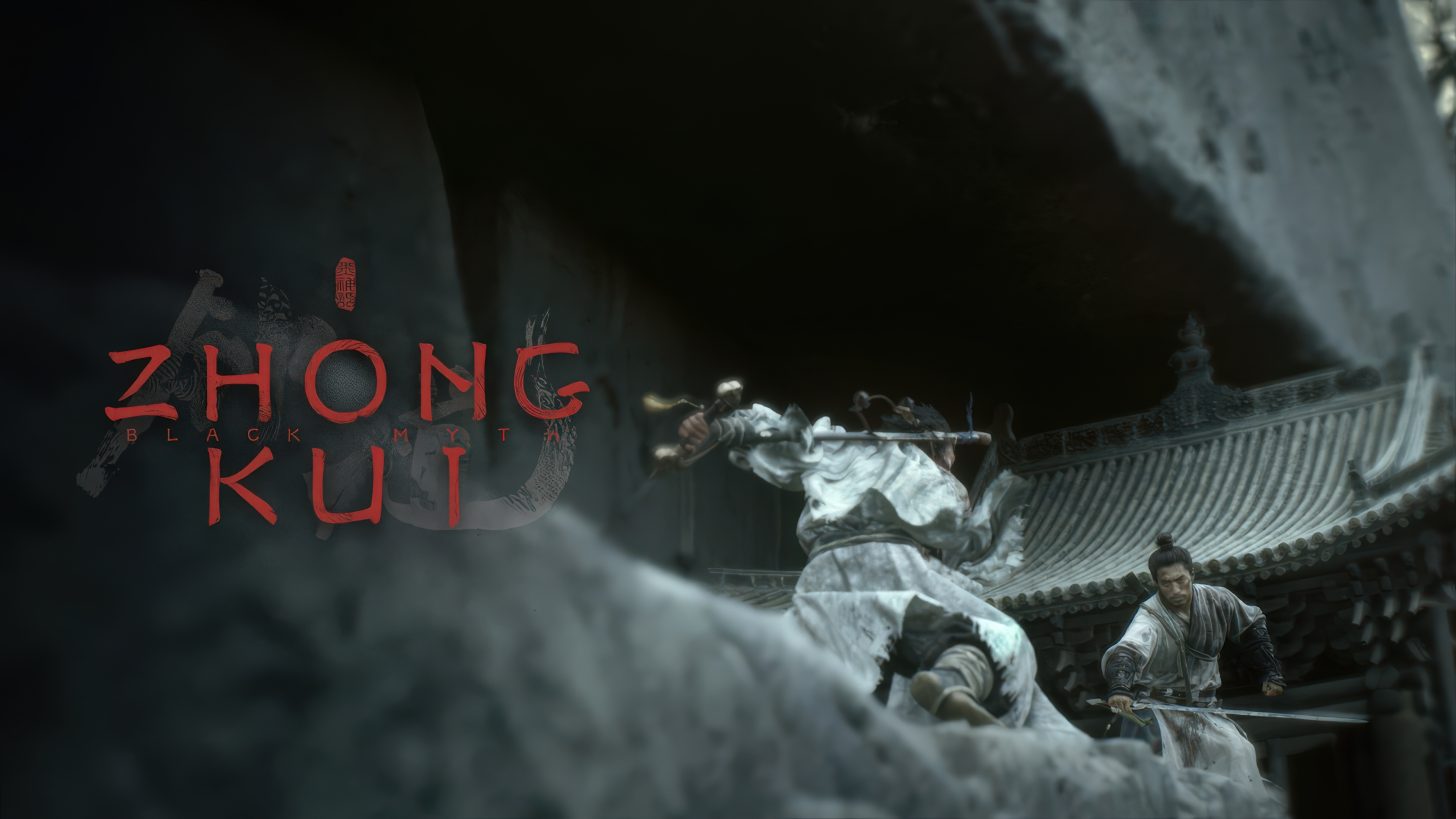
Two years following the phenomenal success of Black Myth: Wukong, Chinese developer Game Science has unveiled a breathtaking 15-minute gameplay trailer for their highly anticipated follow-up title, Black Myth: Zhong Kui. The footage, which debuted at Gamescom Opening Night Live 2025, showcases the studio’s continued mastery of Unreal Engine 5, delivering visuals that have left the gaming community in awe. However, fans eager to experience this next chapter in Chinese mythology will need to exercise considerable patience, as industry analysts suggest the game may not arrive until 2028.
The new title shifts focus from the beloved Monkey King to an equally fascinating figure from Chinese folklore: Zhong Kui. In traditional mythology, Zhong Kui is revered as a powerful deity who exists in the liminal space between the mortal realm and the underworld. His primary purpose is the vanquishing of ghosts, demons, and malevolent spirits that threaten the living. This supernatural demon hunter has been a prominent figure in Chinese art and literature for over a thousand years, often depicted with a fierce countenance and wielding mystical powers against the forces of evil.
A New Combat System Emerges
The gameplay trailer, though notably devoid of dialogue, speaks volumes through its stunning visual presentation and fluid combat mechanics. Unlike the staff-based acrobatic fighting style that defined the Destined One’s journey in Black Myth: Wukong, Zhong Kui appears to employ an entirely different approach to combat. The footage reveals a darker, more supernatural fighting system that emphasizes the character’s ghostly powers and demon-slaying abilities. Players can expect a weightier, more deliberate combat style that reflects Zhong Kui’s role as a divine executioner of evil spirits. The action sequences demonstrate impressive enemy variety, with grotesque demons and tormented spirits serving as adversaries throughout the extended gameplay demonstration.
Game Science’s decision to explore Zhong Kui as their next protagonist demonstrates the studio’s commitment to bringing lesser-known aspects of Chinese mythology to global audiences. While Sun Wukong from Journey to the West enjoys international recognition thanks to numerous adaptations, Zhong Kui remains relatively obscure outside of Chinese cultural circles. According to legend, Zhong Kui was a scholar who took his own life after being denied recognition despite achieving the highest scores in imperial examinations. The King of Hell, recognizing his virtue and intelligence, appointed him as the supernatural guardian against evil spirits, a role he has fulfilled in Chinese folklore ever since.
Technical Achievement and Development Timeline
The Unreal Engine 5 implementation on display in the trailer represents a significant technical achievement. Environmental details, character models, and lighting effects all demonstrate substantial improvements over the already impressive Black Myth: Wukong. Ray-traced reflections illuminate rain-soaked temple courtyards, while particle effects bring supernatural encounters to life with unprecedented fidelity. The underworld sequences, in particular, showcase environments that blur the line between video game and cinematic production. Industry experts have noted that the level of polish evident in the trailer suggests Game Science has been working on Zhong Kui concurrently with Wukong’s post-launch support.
Despite the excitement surrounding the reveal, the projected 2028 release window has tempered expectations somewhat. This timeline would represent a three-year development cycle following the trailer’s debut, consistent with modern AAA game production schedules. Game Science has established a reputation for prioritizing quality over speed, having spent years perfecting Black Myth: Wukong before its 2024 release. That title went on to achieve remarkable commercial and critical success, selling millions of copies worldwide and introducing countless players to Chinese mythology through interactive entertainment. The studio’s measured approach suggests they are unwilling to compromise their artistic vision for Zhong Kui simply to meet market demands for a quicker release.
Building on a Cultural Phenomenon
Black Myth: Wukong’s success fundamentally altered perceptions of Chinese game development on the global stage. The title demonstrated that studios outside traditional gaming powerhouses like Japan and the United States could produce world-class action games that compete with industry leaders. For Black Myth: Zhong Kui, the stakes are even higher. The gaming community will be watching closely to see whether Game Science can replicate their initial success while exploring new gameplay mechanics and narrative territory. The choice of Zhong Kui as the protagonist signals the studio’s intention to create an anthology series exploring various figures from Chinese mythology, potentially establishing a franchise that could span numerous titles over the coming decade.
Expert Opinion: Game Science’s strategic pivot to Zhong Kui demonstrates sophisticated franchise planning that could establish the Black Myth series as the definitive interactive exploration of Chinese mythology. The 2028 timeline, while lengthy, suggests the studio prioritizes delivering another polished masterpiece over rushing to capitalize on Wukong’s success. If they maintain their current trajectory, Game Science may emerge as China’s answer to FromSoftware, creating a new standard for action games rooted in Eastern folklore.