




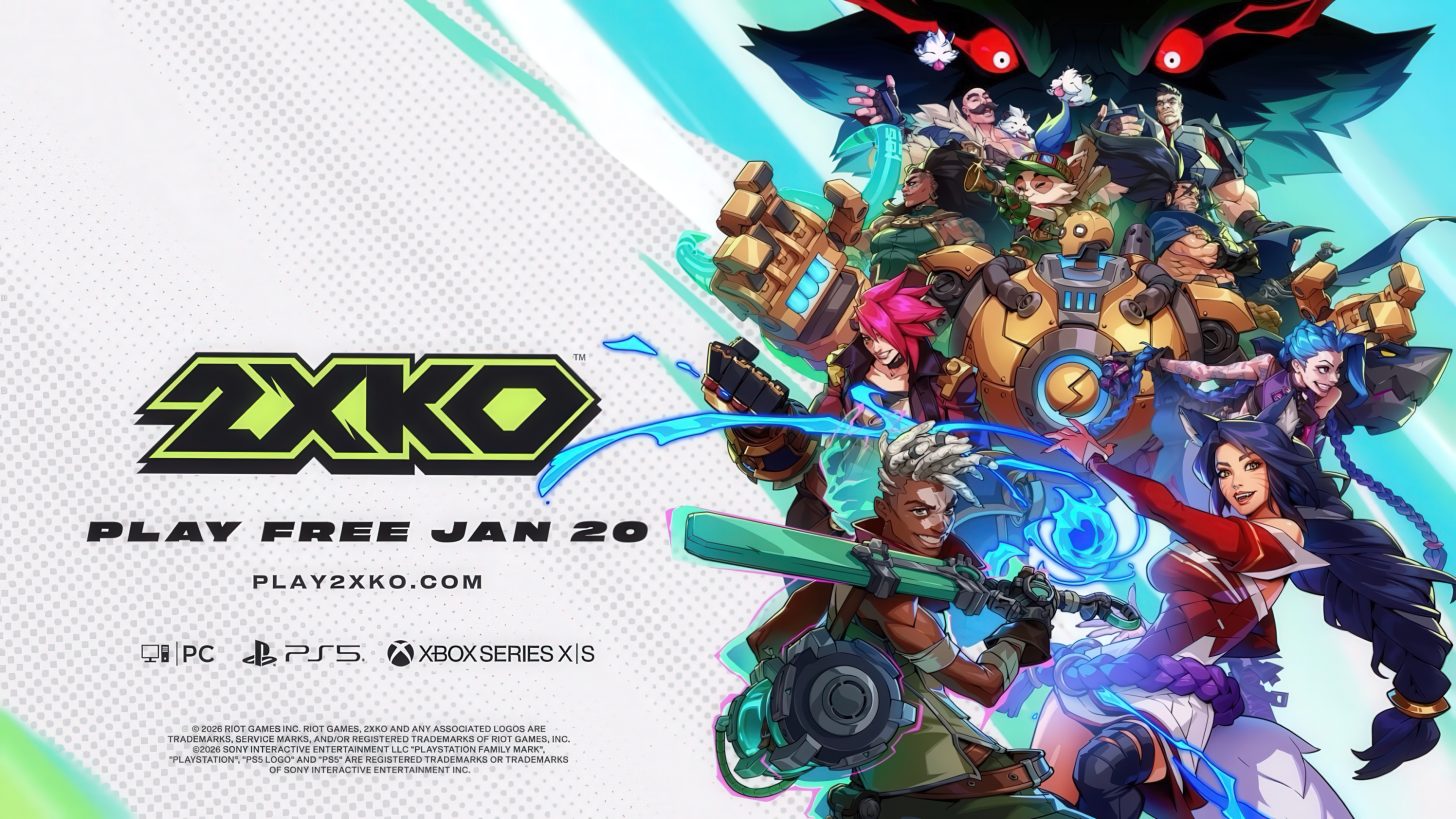
In a stunning announcement that has sent shockwaves through the gaming community, Riot Games has confirmed that active development on its ambitious tag-team fighting game 2XKO will conclude in December 2026, less than a year after the title’s full launch. The decision marks another significant setback for the studio’s efforts to diversify beyond its flagship title, League of Legends, and raises serious questions about the viability of new fighting game entries in an increasingly competitive market. As part of the shutdown announcement, Riot Games has committed to refunding every purchase made by players, an unprecedented move that demonstrates both accountability and the severity of the situation.
The writing was on the wall for 2XKO when Riot Games laid off approximately half of the development team working on the project earlier this year, citing slowing momentum and declining player engagement. Industry analysts had speculated that these layoffs signaled deeper problems with the game’s commercial performance, and today’s announcement confirms those fears. While servers will remain online and the game will continue to be playable for free on PC, PlayStation 5, and Xbox Series S|X, no further champions, seasons, or major content updates are planned beyond a final bug-fix patch scheduled for release before development officially ends.
The Rise and Fall of 2XKO
2XKO represented Riot Games’ ambitious attempt to enter the fighting game genre, leveraging the rich universe of characters and lore from League of Legends to create a unique two-versus-two tag-team experience. The game was initially announced under the working title “Project L” and generated significant excitement among both League of Legends fans and the broader fighting game community. Riot invested heavily in the project, assembling a team that included veterans from established fighting game franchises and promising a free-to-play model that would make the genre more accessible to newcomers. The company hoped to replicate the success it achieved with tactical shooter Valorant and auto-battler Teamfight Tactics, both of which successfully carved out substantial player bases in their respective genres.
However, the fighting game market proved to be a more challenging landscape than Riot anticipated. Unlike the battle royale or tactical shooter genres, fighting games have historically struggled to maintain large casual player bases, with most titles relying on dedicated competitive communities for longevity. Games like Street Fighter 6 and Mortal Kombat 1 have demonstrated that even established franchises face difficulties in sustaining player engagement over extended periods. For 2XKO, the challenge was compounded by the need to introduce League of Legends characters to players who may have had no prior connection to the source material, while simultaneously satisfying longtime fans with authentic representations of their favorite champions.
A Pattern of Expansion Challenges
The discontinuation of 2XKO fits into a broader pattern of challenges Riot Games has faced in its efforts to expand beyond League of Legends. While Valorant has emerged as a genuine success story with a thriving competitive scene and consistent player base, other ventures have struggled to gain traction. The company’s mobile game initiatives, single-player spinoffs, and experimental projects have met with varying degrees of success, leading to multiple rounds of layoffs across the organization over the past two years. Industry experts suggest that Riot’s strength lies in developing and maintaining live-service games over extended periods, but that initial market capture in new genres requires a different set of competencies and market conditions that aren’t always within the company’s control.
The decision to offer full refunds to all 2XKO purchasers is notable and reflects a growing trend in the gaming industry toward greater consumer protection and corporate accountability. While the game operated on a free-to-play model, many players invested in cosmetic items, season passes, and other premium content. By refunding these purchases, Riot Games is absorbing significant financial losses but potentially preserving goodwill among its player base for future projects. This approach stands in contrast to other high-profile game shutdowns where players have been left with worthless digital purchases and no recourse for compensation. The move may set a new standard for how gaming companies handle the discontinuation of live-service titles going forward.
What This Means for Players and the Industry
For the fighting game community, the loss of 2XKO represents both a disappointment and a cautionary tale. The genre has experienced something of a renaissance in recent years, with titles like Street Fighter 6 receiving critical acclaim and renewed interest in competitive play. However, the market remains highly concentrated around a small number of established franchises, making it difficult for new entrants to gain sustainable footholds. The demise of 2XKO, despite Riot’s substantial resources and marketing capabilities, suggests that even well-funded projects face significant challenges in breaking through. Players who invested time in mastering the game’s unique mechanics and roster will need to migrate elsewhere, though the continued availability of servers provides some consolation for those who wish to continue playing casually.
Looking ahead, Riot Games has indicated that lessons learned from 2XKO will inform future project decisions, though the company has not announced any immediate plans to re-enter the fighting game space. The studio remains focused on its core titles and the ongoing expansion of the Arcane animated series, which has brought League of Legends lore to mainstream audiences through Netflix. For now, the gaming industry will watch closely to see whether Riot’s refund policy becomes an industry standard and whether other publishers will follow suit when discontinuing live-service games that failed to meet expectations.
Expert Opinion: The shutdown of 2XKO underscores a critical reality in modern game development: massive budgets and established IP cannot guarantee success in genres with entrenched competition and demanding core audiences. Riot’s decision to issue full refunds may prove strategically wise, as it preserves brand trust for future ventures while acknowledging that live-service games carry implicit promises to players. Expect other major publishers to face similar difficult choices as the industry continues to consolidate around proven franchises and sustainable player bases.