






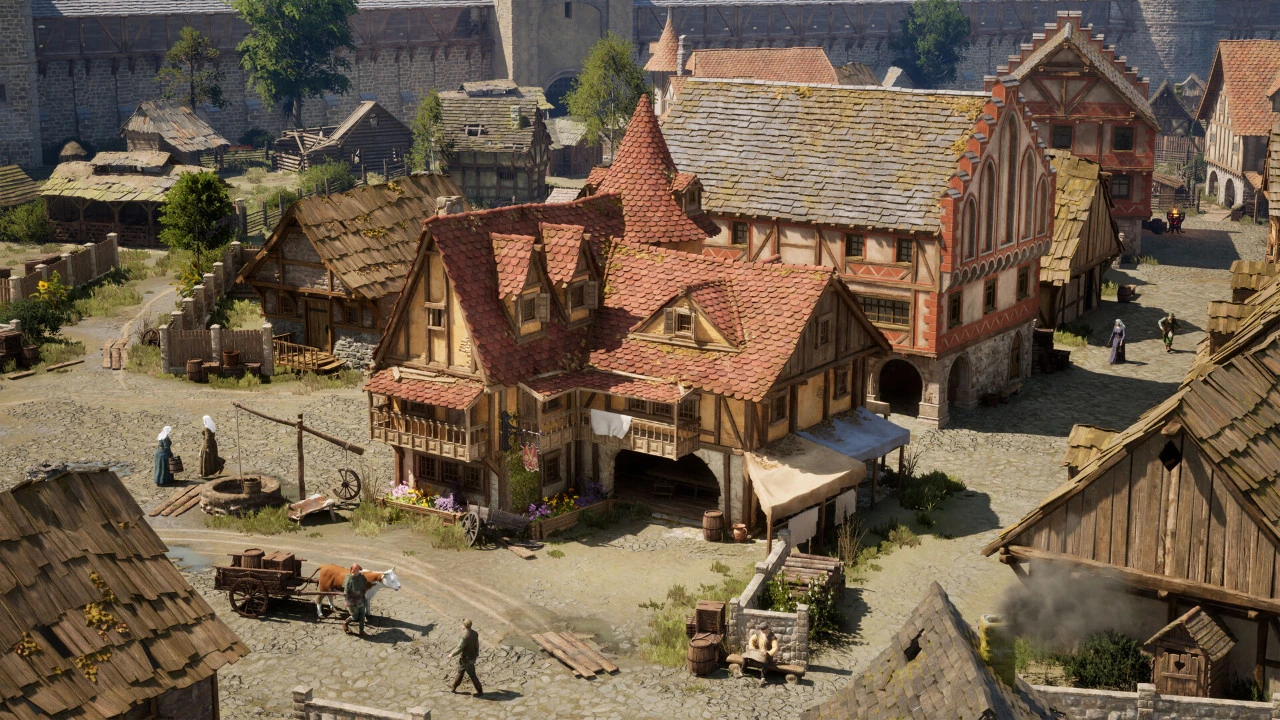
In an unexpected twist that has caught the gaming community by surprise, publisher THQ Nordic and developer Ashborne Games have announced a significant rebranding of their upcoming medieval strategy title. The game previously known as The Guild – Europa 1410 has been renamed to The Guild 1 Remake: Europa 1410, signaling a fundamental shift in the project’s direction. This announcement marks a notable change in strategy for the development team, who have decided to return to the roots of the beloved franchise rather than continue with what was originally conceived as a new entry in the series.
The Strategic Decision Behind the Rebrand
The decision to transform the project into a full-fledged remake of the original Guild game represents a calculated move by both the publisher and developer. THQ Nordic, known for acquiring and revitalizing classic gaming franchises, appears to be leveraging nostalgia while addressing the demands of longtime fans who have been clamoring for a return to the series’ origins. The original Guild game, released in 2002 by 4Head Studios and published by JoWooD Productions, established itself as a unique blend of life simulation, economic strategy, and dynasty-building set in late medieval Europe. By pivoting to a remake format, Ashborne Games can draw upon the proven gameplay mechanics and narrative framework that made the original title a cult classic.
This rebranding also suggests that the development team may have encountered challenges in creating a standalone new entry that could satisfy both veteran players and newcomers to the franchise. Remakes have become increasingly popular in the gaming industry, offering developers a roadmap of established content while allowing for modern technical improvements and quality-of-life enhancements. Recent successful remakes across the industry have demonstrated that this approach can breathe new life into dormant franchises while minimizing the risks associated with entirely new intellectual properties.
The Legacy of The Guild Franchise
The Guild series has maintained a dedicated following since its inception over two decades ago. The original game allowed players to establish a dynasty in medieval Europe, managing businesses, forging political alliances, and competing against rival families across multiple generations. This unique combination of simulation elements with strategic gameplay created an experience that stood apart from traditional strategy games of its era. The franchise expanded with The Guild 2, released in 2006, which introduced enhanced graphics and expanded gameplay systems, though it was also known for various technical issues at launch. Subsequent expansions and standalone releases attempted to refine the formula with varying degrees of success.
The franchise’s history has been marked by both innovation and instability. After the closure of original developer 4Head Studios, the series passed through several hands before THQ Nordic acquired the rights as part of their broader strategy to revive classic European gaming franchises. The publisher has successfully relaunched numerous dormant series, including Gothic, Destroy All Humans, and SpongeBob SquarePants games, making them well-positioned to handle The Guild’s resurrection. Ashborne Games, a Czech studio with experience in strategy and simulation titles, was tasked with bringing the franchise into the modern era.
What Players Can Expect from the Remake
While specific details about the remake’s features and improvements remain limited following the rebranding announcement, players can reasonably expect significant visual and technical upgrades over the 2002 original. Modern remakes typically include enhanced graphics engines, improved user interfaces, reworked artificial intelligence systems, and various quality-of-life improvements that make classic games more accessible to contemporary audiences. The setting of Europa 1410 suggests the game will retain its focus on the late medieval period, a time of significant economic and social transformation in European history characterized by the rise of merchant classes, guild systems, and urban development.
The remake approach may also allow developers to address criticisms leveled at later entries in the series, potentially returning to the more focused and polished experience that characterized the original game. Fan communities have long debated which elements of the franchise worked best, and a remake provides an opportunity to distill the series’ most successful components while updating them for modern gaming standards. The announcement has generated considerable discussion among strategy gaming enthusiasts, many of whom view this pivot as a positive development that prioritizes quality and faithful recreation over ambitious but potentially problematic innovation.
Expert Opinion: This strategic pivot by THQ Nordic demonstrates the publisher’s willingness to adapt development plans based on market realities and fan expectations. The remake approach significantly reduces creative risk while potentially delivering a more polished product that can serve as a foundation for future franchise expansion. If executed successfully, The Guild 1 Remake could establish a template for reviving the entire series with subsequent remakes before introducing genuinely new entries.