





Tencent Games Central Tech has made a significant splash at Gamescom 2026, marking its first appearance at the prestigious gaming convention as a unified brand. The Chinese technology giant unveiled an impressive portfolio of proprietary technologies designed to revolutionize content creation, enhance gameplay experiences, and streamline long-term live operations for game developers worldwide. This debut represents a major strategic move by Tencent to position itself as a leading provider of comprehensive gaming technology solutions in an increasingly competitive global market.
The Gamescom 2026 showcase brings together six key technologies under the Central Tech umbrella: Motus, GIGA, MagicDawn, Anti-Cheat Expert, GVoice, and WeTest. Each tool addresses specific challenges faced by modern game developers, from the earliest stages of content creation through post-launch support and maintenance. This integrated approach signals Tencent’s ambition to become a one-stop solution provider for studios of all sizes, potentially disrupting the fragmented landscape of game development tools and middleware that has characterized the industry for decades.
Motus: Revolutionizing 3D Character Animation
The centerpiece of Tencent’s presentation is Motus, an end-to-end AI pipeline specifically designed for 3D character animation. Built around the company’s proprietary generative animation foundation models, Motus represents a significant leap forward in animation technology by connecting several production stages that would traditionally require separate specialized tools. The system handles character rigging, skinning, motion generation, motion refinement, and real-time character interaction within a single unified workflow, dramatically reducing the complexity and time investment typically required for high-quality character animation.
What makes Motus particularly innovative is its flexible approach to motion generation. Animators and developers can create character movements from multiple input sources, including text prompts, video references, or traditional keyframes. This versatility means that teams with varying levels of technical expertise can leverage the tool effectively, democratizing access to professional-quality animation capabilities. The AI-driven approach could potentially reduce animation production time by significant margins while maintaining or even improving output quality, addressing one of the most resource-intensive aspects of modern game development.
The Broader Technology Ecosystem
Beyond Motus, Tencent’s technology suite addresses critical infrastructure needs for game developers. GIGA and MagicDawn focus on enhancing gameplay experiences through advanced rendering and world-building capabilities, while Anti-Cheat Expert tackles the persistent challenge of maintaining fair play in online gaming environments. The inclusion of GVoice, a voice communication solution, and WeTest, a comprehensive quality assurance platform, demonstrates Tencent’s understanding that successful games require robust support systems beyond core gameplay mechanics.
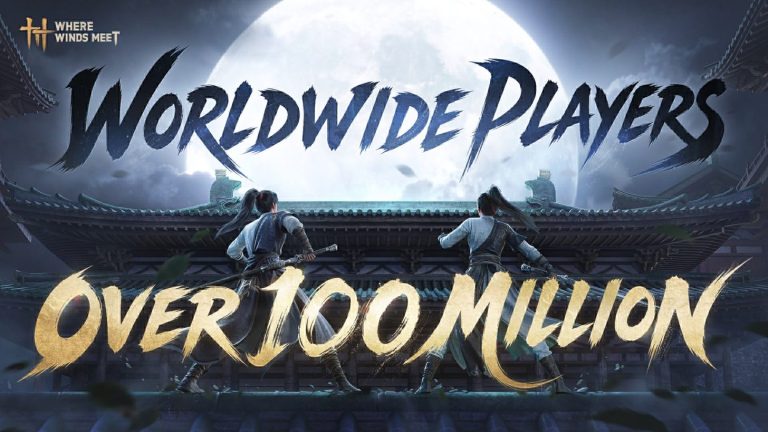
The Anti-Cheat Expert solution arrives at a particularly relevant time, as the gaming industry continues to grapple with increasingly sophisticated cheating methods that can devastate competitive gaming communities and erode player trust. Similarly, WeTest addresses the growing complexity of quality assurance in an era where games must function flawlessly across multiple platforms, regions, and device configurations. These tools reflect lessons learned from Tencent’s extensive experience operating some of the world’s most popular games, including Honor of Kings and PUBG Mobile.
Industry Context and Future Implications
Tencent’s Gamescom debut comes at a transformative moment for the gaming industry, as artificial intelligence rapidly reshapes development workflows and player expectations. The company’s investment in AI-powered tools aligns with broader industry trends, where major publishers and platform holders are racing to integrate generative AI capabilities into their production pipelines. However, Tencent’s approach of offering these technologies to external developers represents a strategic bet that the company can capture value not just from its own titles but from the broader gaming ecosystem.
The timing of this announcement also reflects Tencent’s evolving global strategy. As the world’s largest gaming company by revenue, Tencent has historically focused primarily on the Chinese market while making strategic investments in Western studios. By presenting Central Tech as a unified brand at Europe’s largest gaming convention, the company signals its intention to compete more directly for the business of international developers. This move could have significant implications for established middleware providers and game engine companies that have traditionally dominated this space in Western markets.
Expert Opinion: Tencent’s unified technology platform approach represents a calculated effort to establish ecosystem lock-in similar to what major cloud providers have achieved in enterprise software. If these AI tools deliver on their promises of dramatically reduced production times and costs, we could see a significant shift in how mid-tier studios approach development, potentially accelerating game production cycles industry-wide while raising questions about creative homogenization and technological dependency on a single provider.