






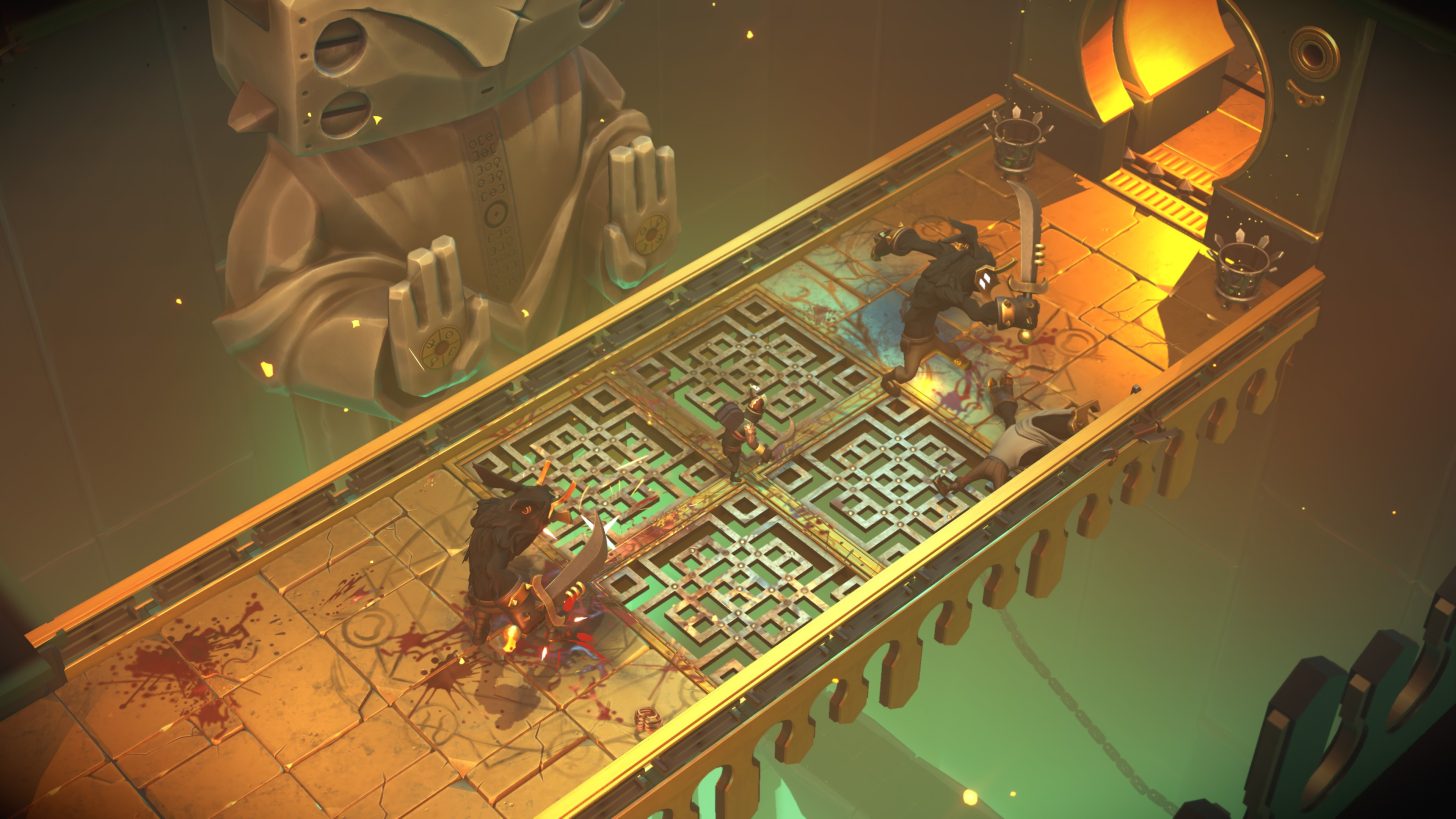
Guildford-based game studio Glowmade has officially unveiled its ambitious new project, Rogue Fortune, a single-player top-down roguelite that promises to revolutionize the genre by merging fast-paced, skill-based combat with an innovative geometric inventory-management system. The announcement came during a press briefing led by Glowmade co-founder and studio head Jonny Hopper ahead of the game’s public reveal trailer at the Xbox showcase during Gamescom 2026. This marks a significant pivot for the developer, which previously worked on the Amazon-published online multiplayer dungeon crawler King of Meat that launched last year to mixed reception and a relatively brief lifespan in the competitive live-service market.
The core mechanic that sets Rogue Fortune apart from other entries in the increasingly crowded roguelite space is its unique economic system where every single action costs gold. Movement, attacks, abilities, and even inventory management all drain the player’s precious currency reserves. This creates a constant tension between exploration and survival, as players must carefully weigh whether the potential rewards of venturing deeper into dungeons justify the gold expenditure required to get there. The system effectively functions as a death clock for greedy players who overextend themselves without properly managing their resources, adding a strategic layer that goes far beyond traditional roguelite mechanics.
A New Direction After King of Meat
Glowmade’s shift to a single-player experience represents a notable change in direction for the studio. King of Meat, their previous title published by Amazon Games, was designed as a live-service multiplayer experience that struggled to maintain a player base in an oversaturated market filled with similar offerings. The game featured cooperative dungeon crawling with a humorous tone but ultimately couldn’t compete against established titles in the genre. Industry analysts have noted that many studios are now reconsidering the live-service model, with several high-profile failures leading developers to return to more focused, single-player experiences that don’t require massive ongoing player populations to remain viable.
The Guildford gaming scene, where Glowmade is headquartered, has long been a hub for British game development. The area has produced numerous successful studios and titles over the decades, benefiting from a concentration of talent and industry expertise. Glowmade itself was founded by veterans with experience at major studios, and their willingness to experiment with new mechanics demonstrates the creative ambition that has characterized the region’s development community. Jonny Hopper’s leadership has steered the company through the challenging post-King of Meat period, and Rogue Fortune appears to represent lessons learned from their previous project’s struggles.
The Puzzle-Powered Inventory System
Perhaps the most intriguing aspect of Rogue Fortune is what Glowmade is calling its puzzle-powered mechanic, a geometric inventory-management system that transforms the typically mundane task of organizing loot into an engaging strategic challenge. Rather than simply collecting items and equipping the best gear, players must fit irregularly shaped equipment pieces into limited inventory space, similar to the beloved Tetris-style inventories seen in games like Resident Evil 4 but with additional complexity. The placement of items affects their effectiveness and synergies with other equipment, meaning that thoughtful inventory arrangement becomes as crucial to success as combat skill.
This approach to inventory management has gained popularity in recent years, with titles like Backpack Hero and various indie roguelites experimenting with similar concepts. However, Glowmade appears to be taking the idea further by integrating it directly into the moment-to-moment gameplay loop rather than treating it as a separate menu-based activity. The gold cost system means that every decision to pick up, arrange, or discard items has immediate consequences, preventing players from simply hoarding everything they find. This creates interesting risk-reward scenarios where a powerful piece of equipment might be worth acquiring even if it costs precious resources to manage.
Release Expectations and Industry Context
The reveal at Gamescom 2026’s Xbox showcase suggests a likely presence on Xbox platforms and potentially PC through Game Pass, though specific platform details and release windows have not yet been confirmed. The roguelite genre has experienced tremendous growth over the past decade, with titles like Hades, Dead Cells, and Slay the Spire demonstrating that innovative mechanics can help games stand out in an increasingly competitive market. Rogue Fortune’s unique gold-based action economy could provide the distinctive hook necessary to capture player attention and carve out its own niche within the genre.
Gaming industry observers have expressed cautious optimism about Glowmade’s new direction. The studio’s willingness to learn from King of Meat’s commercial challenges and pivot toward a more focused single-player experience demonstrates adaptability that many studios lack. If the gold-cost mechanics and puzzle-powered inventory system deliver on their promise, Rogue Fortune could establish Glowmade as a significant player in the roguelite space and prove that the studio’s creative vision simply needed the right format to flourish.
Expert Opinion: Rogue Fortune’s economic action system represents a clever evolution of roguelite design that addresses one of the genre’s persistent challenges: making every decision feel meaningful. By attaching tangible costs to all player actions, Glowmade has created a natural pacing mechanism that should prevent the repetitive grinding that often plagues similar games. If executed well, this mechanic could influence future roguelite design and establish a new subgenre focused on resource-based action economies.