






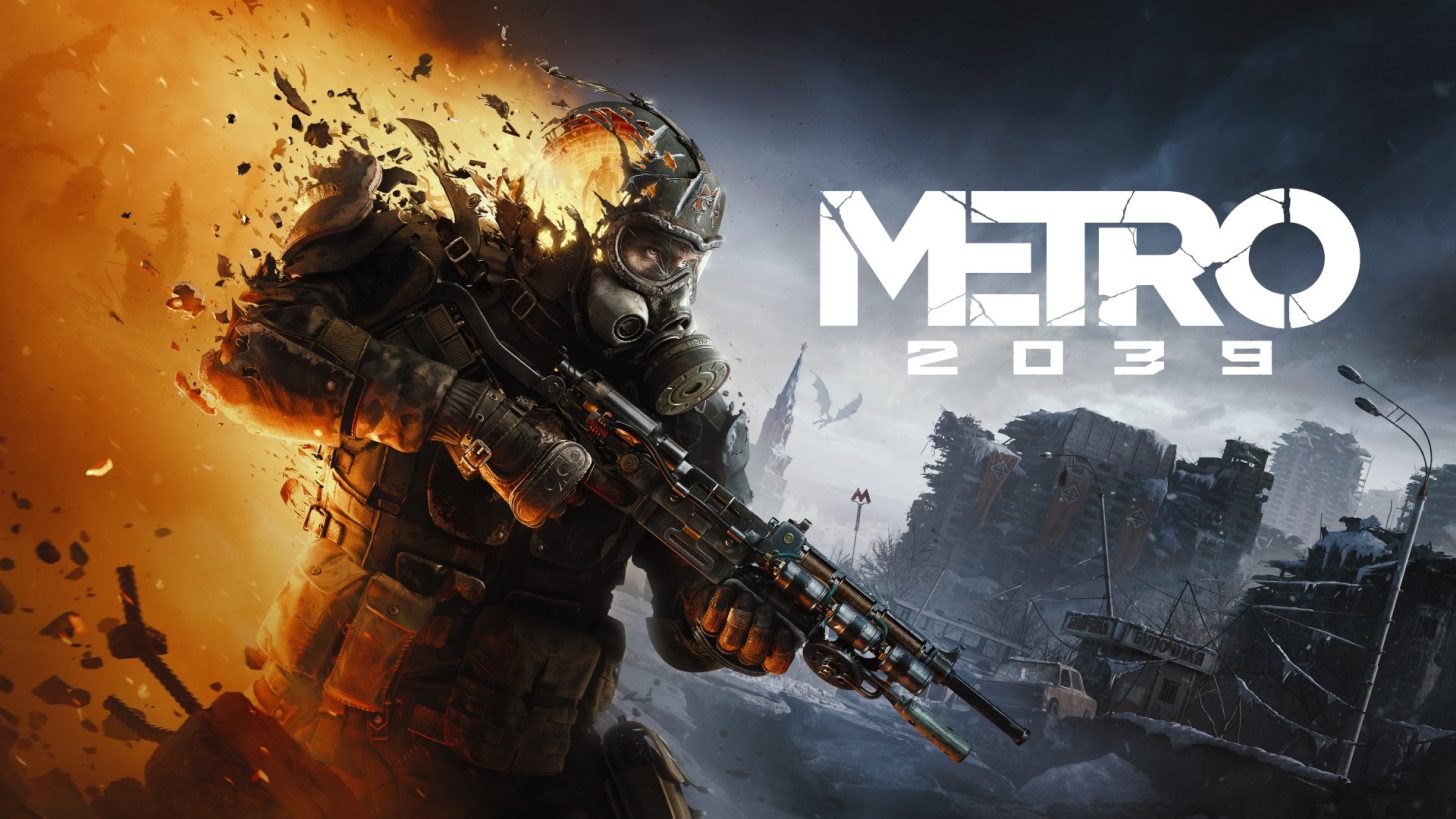
Ahead of Gamescom 2026, 4A Games held an exclusive digital preview event for Metro 2039, offering press and content creators an unprecedented look at what the studio describes as its most ambitious and deeply personal project to date. The presentation, led by 4A’s head of brand, opened with context that has become inseparable from the game itself: 4A Games was founded in Ukraine, and the majority of its development team remains Ukrainian, with most employees working out of the studio’s headquarters in Kyiv. Additional team members operate from a smaller facility in Malta, while dozens of remote colleagues contribute from locations around the world. This geographic and cultural context has profoundly shaped the direction of Metro 2039, influencing everything from its narrative tone to its thematic foundations.
A Franchise Born from Post-Apocalyptic Literature
The Metro franchise traces its origins to Dmitry Glukhovsky’s 2005 novel “Metro 2033,” which depicted survivors of nuclear apocalypse living in the tunnels of the Moscow Metro system. The book became a cultural phenomenon in Russia and Eastern Europe, spawning a literary universe that eventually attracted the attention of game developers. 4A Games, founded in 2006 by former employees of GSC Game World (the studio behind S.T.A.L.K.E.R.), secured the rights to adapt the novel and released the first Metro game in 2010. Since then, the franchise has grown to include Metro: Last Light (2013) and Metro Exodus (2019), each installment pushing the boundaries of atmospheric storytelling and immersive first-person gameplay. The games have collectively sold millions of copies worldwide and established 4A Games as one of the most technically accomplished studios in the industry.
Metro 2039 represents a significant departure from its predecessors, particularly from Metro Exodus, which took players on a cross-country journey across post-apocalyptic Russia and offered glimpses of hope for humanity’s future. The new title abandons this optimistic trajectory entirely, returning players to the claustrophobic tunnels of Moscow’s metro system with a tone that developers describe as unrelentingly dark. According to studio representatives, this shift was not arbitrary but rather a reflection of the experiences that have shaped the development team over recent years. The ongoing conflict in Ukraine has fundamentally altered how the studio approaches themes of survival, conflict, and human nature.
War’s Influence on Creative Vision
During the preview event, 4A Games executives spoke candidly about how real-world events have influenced Metro 2039’s development. The Russian invasion of Ukraine, which began in February 2022, forced the studio to evacuate employees, relocate operations, and fundamentally reconsider the stories they wanted to tell. Many team members have experienced the horrors of war firsthand, with some losing homes, loved ones, or being displaced from their communities. This collective trauma has infused Metro 2039 with an authenticity that previous entries could not possess. The developers explained that the game’s darker tone emerged organically from their lived experiences, making it impossible to craft a narrative centered on hope when hope itself felt like a distant memory for so many on the team.
Industry analysts have noted that Metro 2039 arrives at a unique moment in gaming history, when studios increasingly draw from real-world conflicts to inform their creative work. However, few developers have such direct personal connections to the themes they explore. The decision to abandon hope as a narrative element represents a bold creative choice that distinguishes Metro 2039 from both its predecessors and contemporary competitors. Game design experts suggest this approach could resonate deeply with players seeking authentic emotional experiences, though it also carries risks in a market where escapism often drives consumer preferences.
Technical Ambitions and Gameplay Evolution
Beyond its narrative ambitions, Metro 2039 promises significant technical advancements. The hands-on build demonstrated at the preview event showcased improved AI systems, enhanced environmental destruction, and lighting technology that creates unprecedented atmospheric immersion. 4A Games has historically been at the forefront of graphical innovation, with previous Metro titles serving as benchmark standards for PC hardware. Metro 2039 continues this tradition while also expanding gameplay mechanics to offer players more agency in how they navigate the hostile underground world. The studio has indicated that survival elements will be more punishing than ever, reflecting the game’s uncompromising thematic vision.
As Gamescom 2026 approaches, anticipation for Metro 2039 continues to build among franchise veterans and newcomers alike. The game represents not just the next chapter in a beloved series but a testament to the resilience of its creators. For 4A Games, Metro 2039 is more than a commercial product—it is a statement about art created under extraordinary circumstances, by people who understand darkness not as an abstract concept but as a daily reality. Whether players embrace this unflinching approach remains to be seen, but the studio’s commitment to authenticity ensures that Metro 2039 will stand as one of the most personally meaningful games ever developed.
Expert Opinion: Metro 2039 represents a watershed moment for narrative-driven gaming, where developers channel genuine trauma into interactive storytelling. This authenticity could establish new standards for emotional depth in the medium, though commercial success will depend on whether mainstream audiences are prepared for such uncompromising darkness. The game’s release will likely spark important conversations about the role of personal experience in game development and the responsibilities studios bear when depicting conflict.