





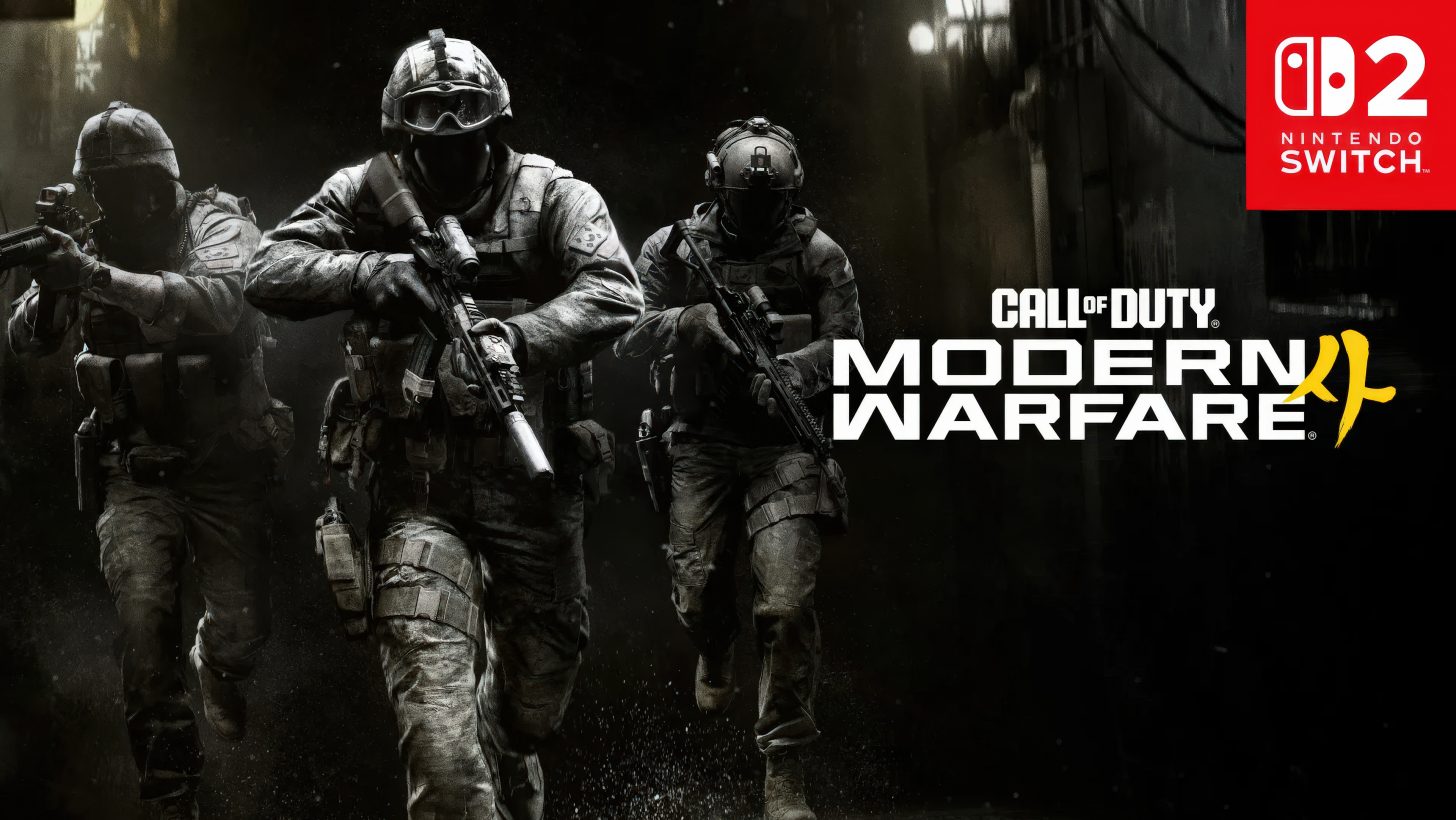
After years of anticipation following Microsoft’s landmark agreement with Nintendo, Call of Duty has finally made its way to a Nintendo platform. The journey began on February 21, 2023, when Microsoft and Nintendo signed a binding 10-year contract to bring Activision’s flagship franchise to Nintendo hardware, a deal that was contingent on Microsoft successfully completing its historic $69 billion acquisition of Activision Blizzard. That acquisition was finalized in October 2023 after intense regulatory scrutiny from authorities worldwide, yet Nintendo players were left waiting as Call of Duty titles continued to release exclusively on competing platforms. Now, with Modern Warfare 4, that wait has finally ended—though early impressions suggest the port may not live up to expectations.
The Long Road to Nintendo Hardware
The absence of Call of Duty on Nintendo platforms has been one of gaming’s most notable omissions for well over a decade. Since the franchise’s explosion in popularity with Call of Duty 4: Modern Warfare in 2007, Nintendo players have largely been left out of the phenomenon that has generated billions of dollars in revenue and defined online multiplayer gaming for an entire generation. While some earlier Call of Duty titles did appear on the Wii and Wii U, these were often significantly compromised versions that failed to capture the full experience available on PlayStation and Xbox consoles. The Switch, Nintendo’s hybrid console that launched in 2017 and became one of the best-selling gaming devices of all time, never received a single mainline Call of Duty release despite its massive install base exceeding 140 million units.
Microsoft’s promise to bring Call of Duty to Nintendo was a strategic move designed to ease regulatory concerns about the Activision acquisition. Competition authorities in the United States, European Union, and United Kingdom expressed worry that Microsoft might make Call of Duty exclusive to Xbox, potentially harming competition in the console market. The 10-year Nintendo deal, along with similar agreements with cloud gaming providers, helped Microsoft demonstrate its commitment to keeping the franchise widely available. However, the actual implementation of this promise has taken considerably longer than many anticipated.
Early Hands-On Impressions Reveal Concerns
The Modern Warfare 4 pre-order beta is currently live on PC, PlayStation 5, and Xbox Series S|X, though notably not yet available on Switch 2. However, select content creators including Spawn Wave and Nintendo World Report were granted early access to test the Switch 2 version ahead of its public availability. Their initial impressions paint a concerning picture for Nintendo fans who have been eagerly awaiting this moment. Reports indicate that the port struggles to deliver the smooth, responsive experience that Call of Duty players have come to expect, with framerate inconsistencies and visual compromises being cited as primary concerns.
The Switch 2, while representing a significant hardware upgrade over its predecessor, still faces an uphill battle when running demanding modern titles designed primarily for more powerful hardware. The original Switch utilized NVIDIA’s Tegra X1 processor, which was already dated at launch in 2017. Although the Switch 2 features updated architecture with improved CPU and GPU capabilities, bridging the performance gap with the PlayStation 5 and Xbox Series X remains a substantial technical challenge. Call of Duty games are notorious for their demanding system requirements, featuring complex physics simulations, detailed environments, and fast-paced multiplayer action that requires consistent high framerates to remain competitive.
What This Means for Nintendo’s Future Third-Party Support
The mixed reception to this initial Call of Duty port raises important questions about Nintendo’s third-party strategy moving forward. The company has historically prioritized its own first-party software library, with franchises like Mario, Zelda, and Pokémon driving hardware sales. However, attracting major third-party releases has been crucial for expanding the platform’s appeal to a broader audience. The Switch 2’s success in this regard will likely depend on whether developers can find acceptable compromises between visual fidelity, performance, and the portable nature of Nintendo’s hardware. If Call of Duty can be optimized effectively through future patches and updates, it could pave the way for more major third-party franchises to make the jump to Nintendo’s newest console.
Industry analysts note that this initial stumble doesn’t necessarily spell doom for the partnership. Many high-profile game ports have launched in rough states only to be significantly improved through post-release updates. The fact that Activision and Microsoft committed to bringing the franchise to Nintendo at all represents a meaningful shift in the gaming landscape, and both companies have strong incentives to ensure the port eventually meets player expectations. With nine years remaining on the original agreement, there is ample time for subsequent Call of Duty releases to deliver more polished experiences as developers become more familiar with Switch 2’s capabilities.
Expert Opinion: While the initial Call of Duty port disappoints, this represents merely the first attempt at a technically demanding transition. Historically, developers require one to two development cycles to fully optimize for new hardware architectures. Expect significant improvements with future Call of Duty releases on Switch 2, and this partnership will likely prove its value over the remaining nine years of Microsoft’s commitment to Nintendo.