





The Assassin’s Creed franchise has been riding a wave of positive momentum in recent months. With the return of a veteran development team to lead the series earlier this year and the successful launch of Black Flag Resynced on July 9th, fans have plenty to celebrate. Now, as the gaming community eagerly awaits more details about upcoming projects like the mysterious Assassin’s Creed Hexe, Jean Guesdon, the franchise’s current content director, has taken a trip down memory lane to reveal a fascinating piece of gaming history about the original ambitions Ubisoft had for the second installment of this beloved action-adventure series.
The Original Vision: Two Games Were Meant to Be One
While the release of the first Assassin’s Creed in 2007 was undoubtedly a landmark moment for Ubisoft, it was the arrival of Assassin’s Creed 2 in 2009 that truly catapulted the franchise to new heights of commercial and critical success. The development team at Ubisoft Montreal had carefully studied player feedback from the original game to refine and improve nearly every aspect of the experience. The result was a sequel that critics hailed as a masterclass in iterative game design, introducing players to the charismatic Ezio Auditore da Firenze and the stunning Renaissance-era Italian setting that would define a generation of open-world gaming.
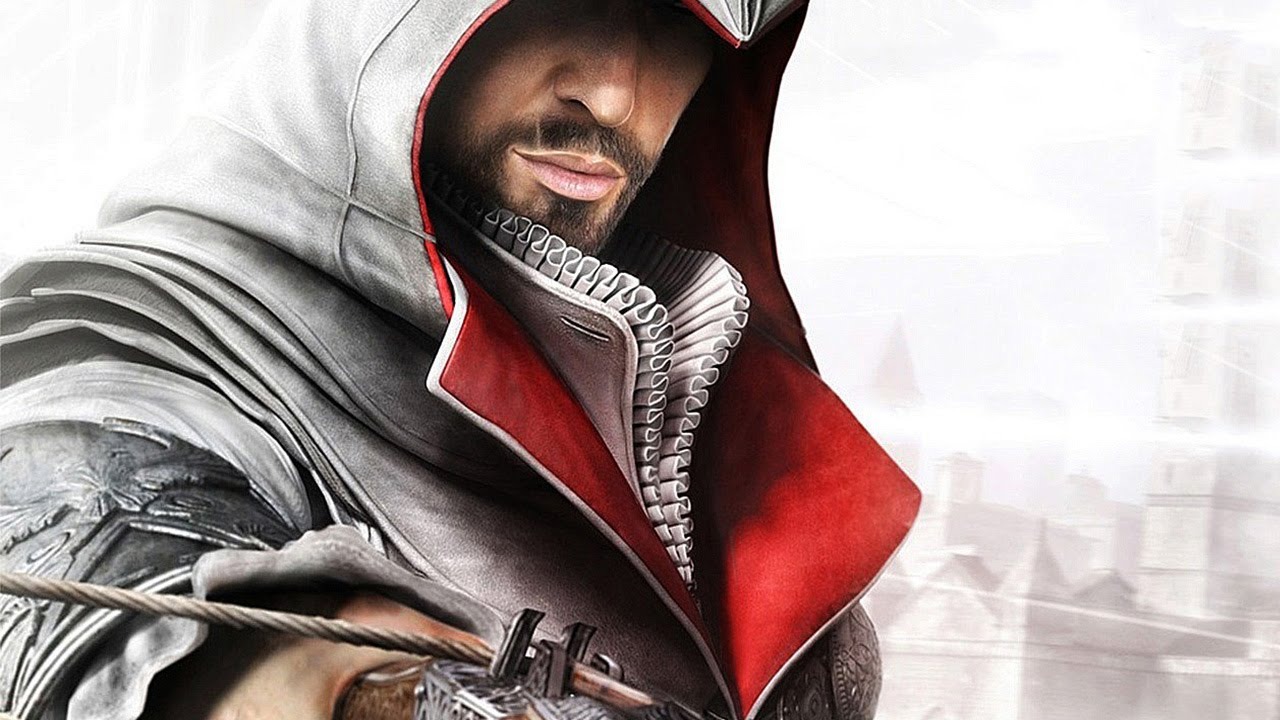
What many fans don’t realize, however, is that Assassin’s Creed 2 and its follow-up, Brotherhood, were originally conceived as a single, massive game. In an interview with Retro Gamer magazine (issue #287), Guesdon revealed the staggering scope of the original vision. “When we designed Assassin’s Creed 2, Ezio’s narrative arc roughly spanned from his birth to the moment he becomes the mentor,” he explained. This would have encompassed decades of the character’s life, including his transformation from a carefree Florentine nobleman to the legendary leader of the Italian Assassin Brotherhood.
Scaling Back Ambitions for Quality
The development team quickly realized that such an expansive project simply couldn’t be executed properly within their constraints. “In practice, it was far too ambitious to be properly executed in a single game developed over two years,” Guesdon admitted. This decision to scale back proved to be a blessing in disguise, as it allowed the developers to craft two polished, focused experiences rather than one potentially overwhelming and unwieldy title. The original ideas weren’t abandoned, however, but rather served as the foundation for expanding Ezio’s story across multiple releases.
Assassin’s Creed 2 launched in November 2009 and was immediately recognized as a significant improvement over its predecessor. The game introduced new mechanics like dual hidden blades, swimming, and the ability to hire various factions to assist in missions. The economic system, where players could upgrade Ezio’s family villa in Monteriggioni, added a compelling resource management element that kept players engaged between main story missions. The vibrant depictions of Florence, Venice, and other Italian cities set a new standard for historical open-world environments.
The Ezio Trilogy: A Fan-Favorite Era
Following Assassin’s Creed 2’s success, Ubisoft released Brotherhood in 2010, which continued Ezio’s story in Rome and introduced the innovative multiplayer mode that would become a series staple. The trilogy concluded with Revelations in 2011, which saw an older Ezio traveling to Constantinople while also providing closure for Altaïr’s story from the original game. This trilogy remains among the most beloved entries in the franchise, with many longtime fans considering it the pinnacle of the series. The character of Ezio Auditore has achieved iconic status in gaming, with his journey from vengeful youth to wise mentor resonating deeply with players worldwide.
The revelation about the original scope of Assassin’s Creed 2 raises intriguing questions about the franchise’s future. With Ubisoft having recently released Black Flag Resynced, speculation has already begun about which other classic entries might receive similar treatment. Could the Ezio trilogy be next in line for a comprehensive remake? The enduring popularity of these games certainly makes them prime candidates for reimagining with modern technology. As the franchise continues to evolve with projects like Hexe on the horizon, the legacy of Assassin’s Creed 2 and its sequels serves as a reminder of what made the series a global phenomenon in the first place.
Expert Opinion: The decision to split Assassin’s Creed 2’s original vision into multiple games exemplifies smart project management in game development—ambition must be balanced with realistic production timelines to maintain quality. Given the current trend of remastering beloved classics and the enduring fan demand for Ezio-era content, an Ezio Collection remake using modern engines would likely be a commercially safe bet for Ubisoft while potentially reigniting interest in the franchise’s narrative-driven roots.