





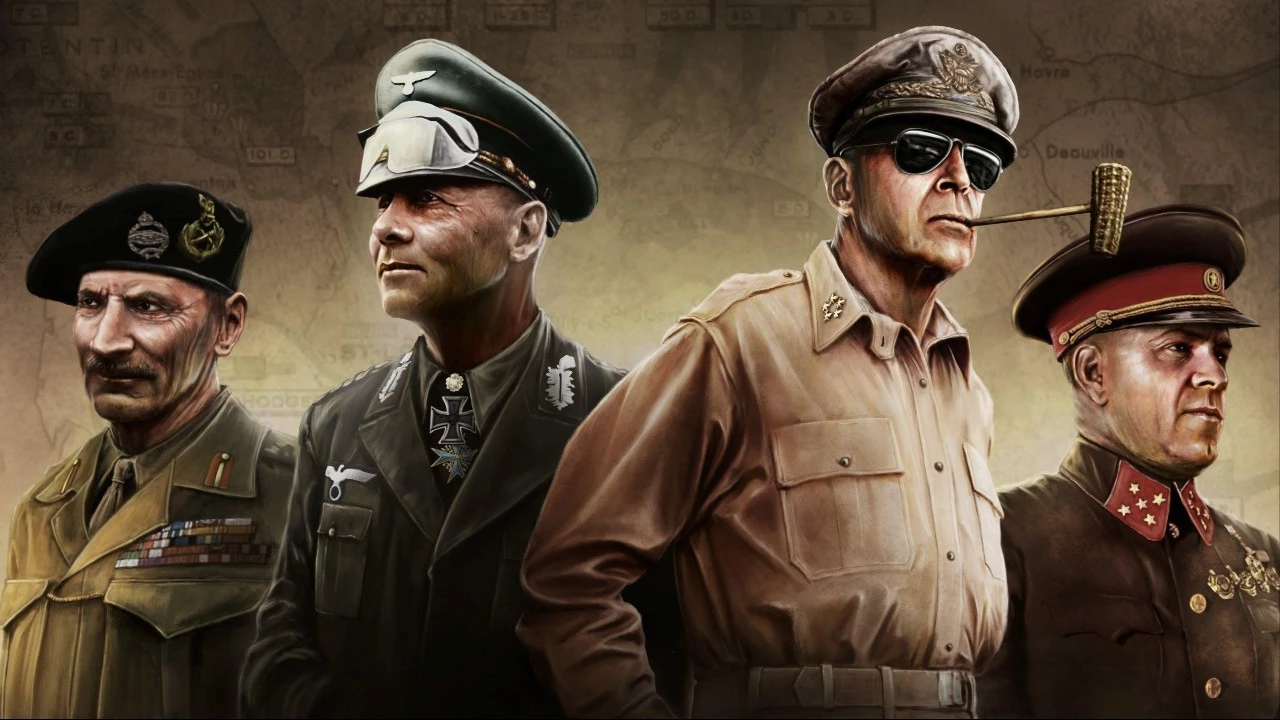
Paradox Interactive has unveiled new details about Romania’s gameplay in their latest developer diary for Hearts of Iron 4, the critically acclaimed grand strategy game set during World War II. The Swedish game studio has revealed that players guiding Romania through the tumultuous 1930s and 1940s will face a crucial decision: how to reconcile the nation’s predominantly agricultural population with the urgent need for rapid industrialization. This fundamental economic choice promises to add significant depth to the Romanian gameplay experience, reflecting the real historical challenges faced by the Eastern European nation during this pivotal period in world history.
The Historical Context of Romania’s Economic Dilemma
Romania in the interwar period faced genuine economic challenges that the developers have sought to authentically represent in the game. During the 1930s, approximately 80% of Romania’s population lived in rural areas and depended on agriculture for their livelihood. The country possessed significant natural resources, including some of Europe’s most valuable oil fields in the Ploiești region, yet its industrial base remained underdeveloped compared to Western European powers. King Carol II’s government struggled with the fundamental question of modernization: should Romania prioritize its agricultural strengths or pursue aggressive industrialization to compete with its more developed neighbors? This historical tension between maintaining traditional economic structures and embracing industrial modernization forms the core of the new gameplay mechanics being introduced.
The strategic importance of Romanian oil cannot be overstated in the context of World War II. Nazi Germany desperately needed access to petroleum resources to fuel its war machine, making Romania a critical ally and eventually a puppet state under Ion Antonescu’s regime. The Ploiești oil refineries were so vital that they became targets of major Allied bombing campaigns, including the famous Operation Tidal Wave in 1943. Players of Hearts of Iron 4 will need to consider how their economic choices affect not only domestic development but also their diplomatic relationships with major powers seeking access to Romanian resources.
Gameplay Implications and Strategic Choices
The two economic paths presented in the developer diary offer players distinctly different strategic options. The agricultural path allows Romania to leverage its existing strengths, maintaining food production capabilities that can support both domestic needs and export relationships with neighboring nations. This approach may provide more stability and preserve the traditional social order, but could leave Romania vulnerable militarily due to insufficient industrial capacity for weapons and equipment production. Alternatively, the industrialization path pushes Romania toward rapid modernization, building factories and developing manufacturing capabilities that could prove crucial in wartime. However, this approach may create social unrest as rural populations are displaced and traditional ways of life are disrupted.
Hearts of Iron 4 has consistently been praised for its attention to historical detail and its ability to create meaningful strategic choices that reflect real-world challenges faced by nations during the World War II era. The game, originally released in 2016, has received numerous expansions and updates that have added depth to various nations’ gameplay experiences. Romania’s expanded focus tree continues this tradition, allowing players to explore alternative historical scenarios while understanding the genuine constraints and opportunities that shaped national policies during this period. The economic choice mechanic represents a sophisticated approach to modeling the development challenges faced by smaller nations caught between great powers during one of history’s most destructive conflicts.
Community Reception and Future Development
The Hearts of Iron 4 community has responded enthusiastically to these revelations about Romanian gameplay. Developer diaries have long been a tradition at Paradox Interactive, providing transparency about upcoming content and generating discussion among the game’s dedicated player base. Many fans have expressed appreciation for the attention being given to nations that previously received less detailed focus trees, arguing that such additions significantly enhance the game’s replayability and historical authenticity. The Romanian economic paths join a growing list of nuanced national mechanics that distinguish Hearts of Iron 4 from other strategy games in the genre. As Paradox continues to develop new content for the game nearly a decade after its initial release, the addition of meaningful choices for nations like Romania demonstrates the studio’s commitment to creating an ever more comprehensive simulation of the World War II period.
Expert Opinion: The introduction of distinct economic development paths for Romania reflects Paradox Interactive’s maturing approach to representing smaller nations’ historical complexities. This mechanic could serve as a template for future updates to other Balkan and Eastern European nations, potentially creating more dynamic regional gameplay. Players should expect these economic choices to have cascading effects on military production, diplomatic options, and ultimately their ability to survive the inevitable great power conflicts that define the game’s core experience.