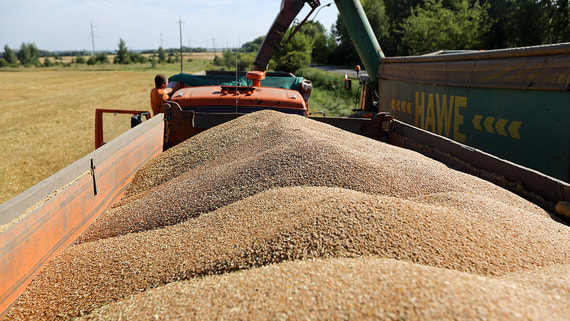







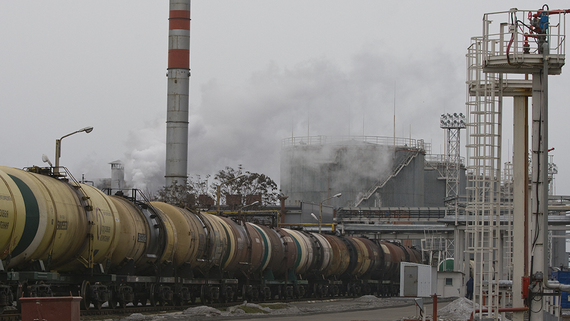
The Russian Ministry of Agriculture has announced that it is actively accepting applications from agricultural producers seeking subsidies for railway transportation of grain. This initiative comes as part of the government’s broader effort to support domestic farmers facing logistical challenges and rising transportation costs. Agricultural producers from Crimea and several other regions have already submitted their applications, signaling strong interest in the program designed to ease the financial burden of moving grain across the country’s vast territory.
The subsidy program represents a critical lifeline for many farmers who have struggled with the economics of grain transportation in recent years. Russia’s agricultural sector, which has emerged as one of the world’s leading grain exporters, relies heavily on an extensive railway network to move products from production regions to ports and domestic markets. However, the sheer distances involved—often spanning thousands of kilometers—can make transportation costs a significant portion of overall expenses, particularly for producers in remote regions.
Historical Context and Program Development
The Russian government has long recognized the strategic importance of supporting grain transportation infrastructure. Railway subsidies for agricultural products have been a recurring feature of agricultural policy, with various programs implemented over the past decade to maintain competitiveness in global markets. The current initiative builds upon previous efforts that helped Russia achieve record grain exports, positioning the country as a major player in international food security. In recent years, Russian grain exports have consistently exceeded 40 million tons annually, making efficient domestic logistics essential for maintaining this market position.
The Ministry of Agriculture’s subsidy mechanism typically covers a portion of railway tariffs, making it economically viable for farmers in distant regions to participate in both domestic and export markets. Without such support, many producers would find themselves at a significant disadvantage compared to those located closer to major transportation hubs and port facilities. The program has historically benefited regions such as Siberia, the Urals, and the Far East, where geographical isolation would otherwise limit market access.
Regional Participation and Economic Impact
Crimea’s participation in the subsidy application process highlights the program’s importance for regions with specific logistical challenges. Since 2014, Crimean agricultural producers have faced unique transportation considerations, and government support programs have played a crucial role in integrating the peninsula’s agricultural sector with mainland Russian markets. The region has significant agricultural potential, with favorable climate conditions for grain production, but requires reliable and affordable transportation links to fully realize this capacity.
Beyond Crimea, agricultural producers from traditional grain-growing regions across Russia are expected to submit applications. The southern federal districts, including Krasnodar and Rostov regions, along with the Volga area and parts of Siberia, represent the backbone of Russian grain production. For these regions, railway transportation subsidies can mean the difference between profitable operations and financial difficulty, especially during years of abundant harvests when market prices may decline due to oversupply. Industry analysts estimate that transportation costs can account for 15 to 25 percent of the final grain price, making subsidies a significant factor in farm profitability.
Future Outlook and Industry Expectations
Agricultural industry representatives have expressed cautious optimism about the subsidy program’s continuation and potential expansion. As global food markets remain volatile and geopolitical factors continue to influence trade patterns, domestic support mechanisms become increasingly important for maintaining agricultural sector stability. The Ministry of Agriculture has indicated that it will process applications efficiently to ensure that producers can plan their logistics operations with confidence. Farmers are encouraged to submit their documentation promptly to secure funding allocation before budget limitations take effect.
The success of this initiative will likely influence future agricultural policy decisions, as the government seeks to balance support for domestic producers with fiscal responsibility. With climate change affecting agricultural yields worldwide and food security rising on the global agenda, Russia’s investment in its grain transportation infrastructure carries implications far beyond domestic economic considerations. The railway subsidy program represents one component of a comprehensive strategy to maintain Russia’s position as a reliable grain supplier to international markets while ensuring that domestic agricultural communities remain economically viable.
Expert Opinion: The continuation of railway transportation subsidies signals the government’s commitment to long-term agricultural sector development rather than short-term crisis management. Given current global market dynamics and the strategic importance of food exports, we can expect these programs to not only persist but potentially expand in scope. The key challenge moving forward will be ensuring that subsidy distribution mechanisms remain transparent and reach the producers who need them most, particularly small and medium-sized agricultural enterprises in remote regions.